Polyurethane Floor Coating
Flexible, seamless polyurethane floor: resists impact, vibration and temperature change, bridges small cracks.
Technical information
| Type | Polyurethane resin floor coating; thin film or self-levelling |
|---|---|
| Components | One- and two-component options |
| Thickness | 0.2–10 mm (depending on system) |
| Substrate | Concrete |
| Build-up | Flexible, seamless, multi-layer |
| Resistance | Abrasion, impact, vibration, temperature change |
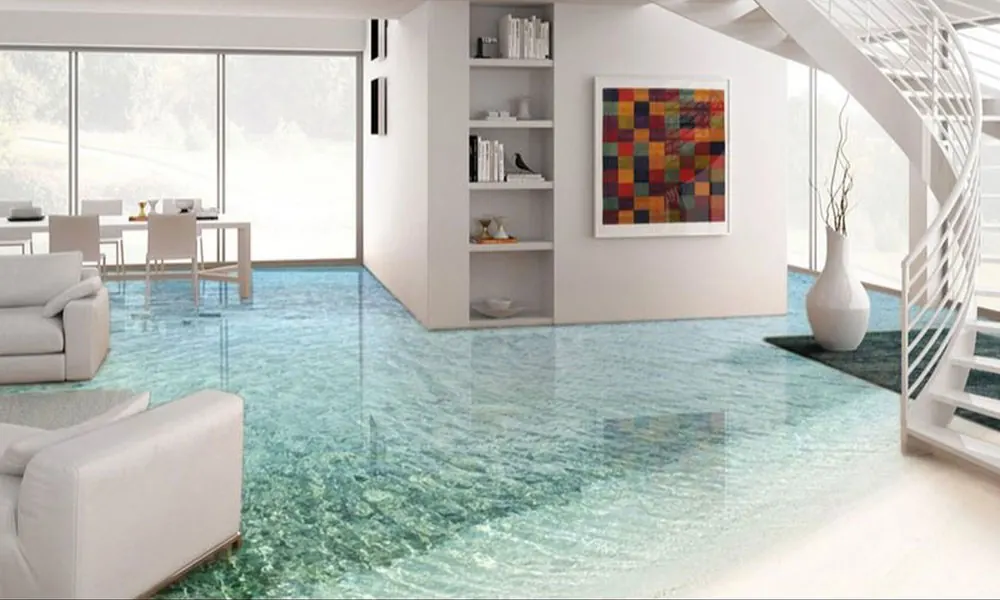
| Surface | Anti-slip; decorative colours |
| Mix ratio and cure time | In the product TDS |
Drying time, viscosity and pack sizes are given in the product TDS.
What is polyurethane floor coating?
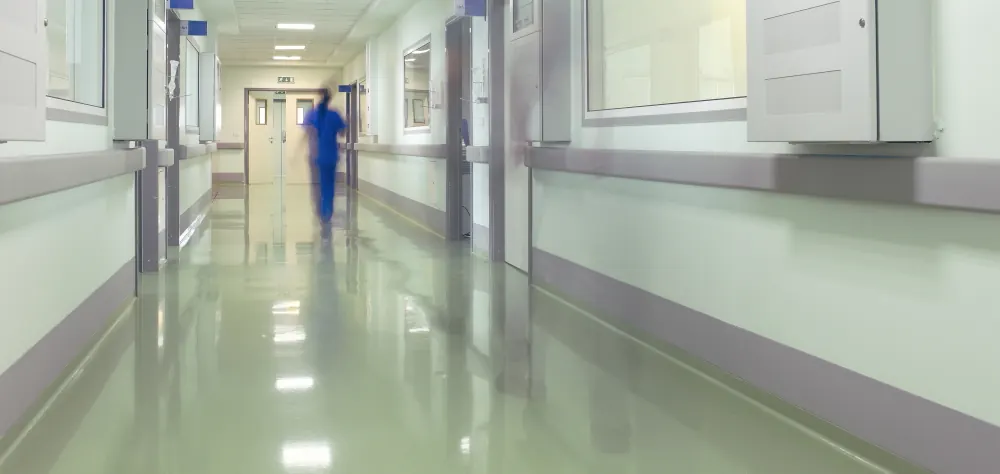
Polyurethane floor coating is a flexible floor finish based on polyurethane resin that is poured over concrete as a liquid, hardens and forms a monolithic surface without joints. Once cured it does not deform under mechanical loads, damps impact and vibration and gives an anti-slip surface. It is applied from 0.2 to 10 mm, as a thin film or a thick self-levelling system depending on use, and has a multi-layer build-up made from different compositions.
Orhun Kimya produces one- and two-component polyurethane floor materials for different applications. Flexibility is what sets polyurethane apart from epoxy: the floor takes up small movements and thermal expansion without cracking.
Where is it used?
- Industrial workshops and production areas,
- Vehicle service areas and car parks,
- Warehouses,
- Administrative buildings and offices,
- Shopping and leisure centres,
- Sports halls and areas where impact noise should be reduced,
- Areas with large temperature swings such as hot workshops and cold stores.
Properties
- Flexible; bridges small cracks in the substrate,
- Resistant to abrasion, static and dynamic loads and vibration,
- Withstands thermal loads and sudden temperature changes,
- Waterproof layer that keeps liquids out of the concrete,
- Dust-free, hygienic, easy-to-clean surface,
- Anti-slip surface and reduced impact noise,
- UV resistance and decorative colour options.
How is it applied?
- Check the substrate: concrete must be sound, clean and dry. Polyurethane is moisture-sensitive; excess moisture in the concrete or air causes bubbles.
- Surface preparation: laitance, oil and loose layers are removed by grinding or blasting; dust is vacuumed off.
- Primer: a primer suited to the system is applied; quartz sand may be broadcast for a rough key.
- Body coat: components are weighed in the TDS ratio, mixed at low speed, spread to the required thickness with a notched trowel and de-aerated with a spiked roller.
- Top coat: where there is sunlight or colour stability is needed, a UV-resistant top coat is applied.
- Curing: follow the TDS for return-to-traffic times.
How to choose and what to watch
If flexibility, impact and temperature change dominate, choose polyurethane; for indoor areas needing high chemical and abrasion resistance, epoxy floor coating fits. In food areas exposed to organic acids, such as dairies, polyurethane-based systems may be a better choice than epoxy. For a comparison by traffic and use see industrial floor coating; for static-sensitive areas, antistatic floor coating; for roofs and terraces, waterproofing. The chemistry is explained on polyurethane resin, and metal and wood surfaces on polyurethane paints and varnishes.
Common mistakes
- Applying onto damp concrete or at high relative humidity, causing bubbles and foaming.
- Mixing components by eye, so the coating never fully hardens.
- Spreading at uneven thickness; thin spots wear early.
- Using a non-UV-resistant top coat in sunlit areas; the colour yellows.
- Opening to heavy loads and vehicles before curing is complete.
Care
Clean a polyurethane floor with neutral detergent and water; the seamless surface does not hold dirt. Do not drag loads with sharp metal edges and keep forklift forks off the floor. A worn top coat can be renewed after surface preparation, preserving the lower layers of the system.
Ask for the right polyurethane system and its TDS through the contact form or WhatsApp.
Questions
What does polyurethane floor coating do?
It covers concrete with a flexible, seamless, waterproof layer, stops dusting and protects against impact, vibration and temperature change.
How thick is a polyurethane floor?
Between 0.2 and 10 mm depending on use. Thin films suit light traffic; thick self-levelling systems suit heavy use.
What is the difference between polyurethane and epoxy floors?
Polyurethane is more flexible and copes better with impact, vibration, temperature change and small crack movement. Epoxy is harder and gives high chemical and abrasion resistance indoors.
Does polyurethane flooring yellow in the sun?
In sunlit areas a UV-resistant top coat should be used; otherwise the colour may change over time.
Can polyurethane flooring be used in cold stores?
Yes. It withstands thermal loads and sudden temperature changes, so it is used in hot workshops and cold stores.
When can a polyurethane floor take traffic?
It depends on temperature and system; the time is in the product TDS, ask for it via the form or WhatsApp.