
Electric motor insulation
Once the winding is done, varnish turns it into one solid body. We make air-drying and baking winding varnishes, a two-component class H varnish, insulating topcoats and insulation spray for rewind shops and motor makers.


Air-drying winding varnish
OR 1xx series: phenolic OR-100 (B) and OR-102 (F). No oven needed; dries at ambient temperature.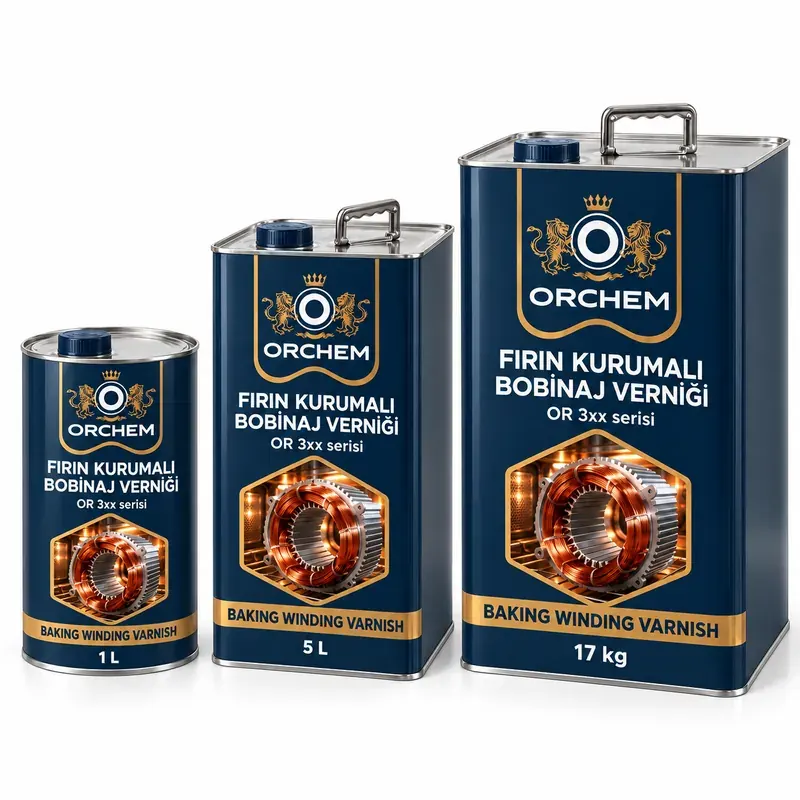
Baking winding varnish
OR 3xx series. OR-300: class H (180 °C), for dipping and VPI; the highest bond strength.
OR-114 class H varnish
2K polyurethane, class H (180 °C), refrigerant-gas resistant, no oven.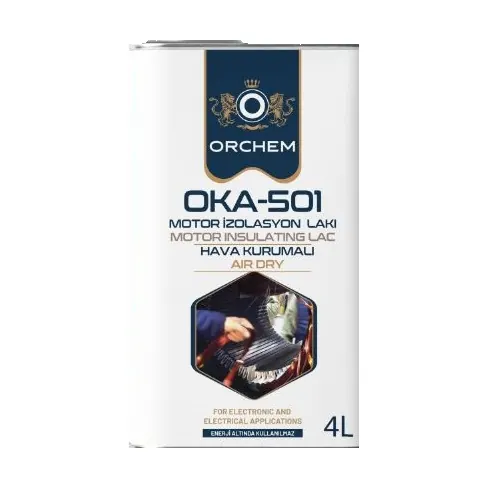
OKA-501 motor insulating lacquer
Class F (155 °C), very fast-drying air-drying lacquer for rewind shops. T-501, 4 L.Armature varnish
Low-viscosity varnish for armature and rotor windings; holds wires in place at high speed.
Insulating topcoat lacquers
Anti-flash topcoat: OR-990 (155–180 °C) and epoxy OR-411 (H); red, black, grey.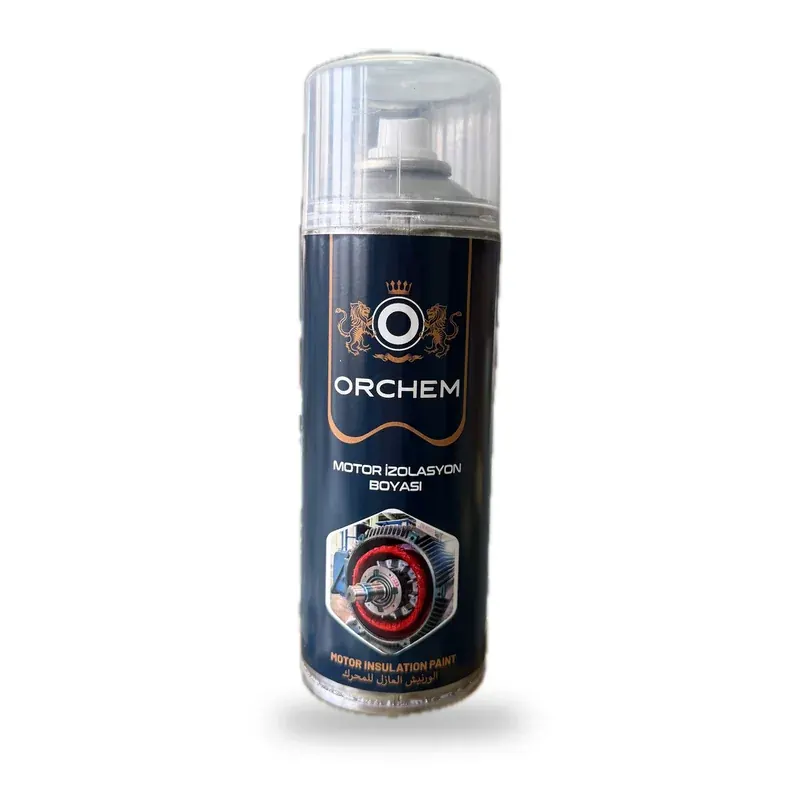
Motor insulating spray
Class F (155 °C) air-drying spray; coats windings, connections and terminals in one step.
Casting resins
Two-component epoxy and polyurethane casting resins for potting coils, transformers and electronics.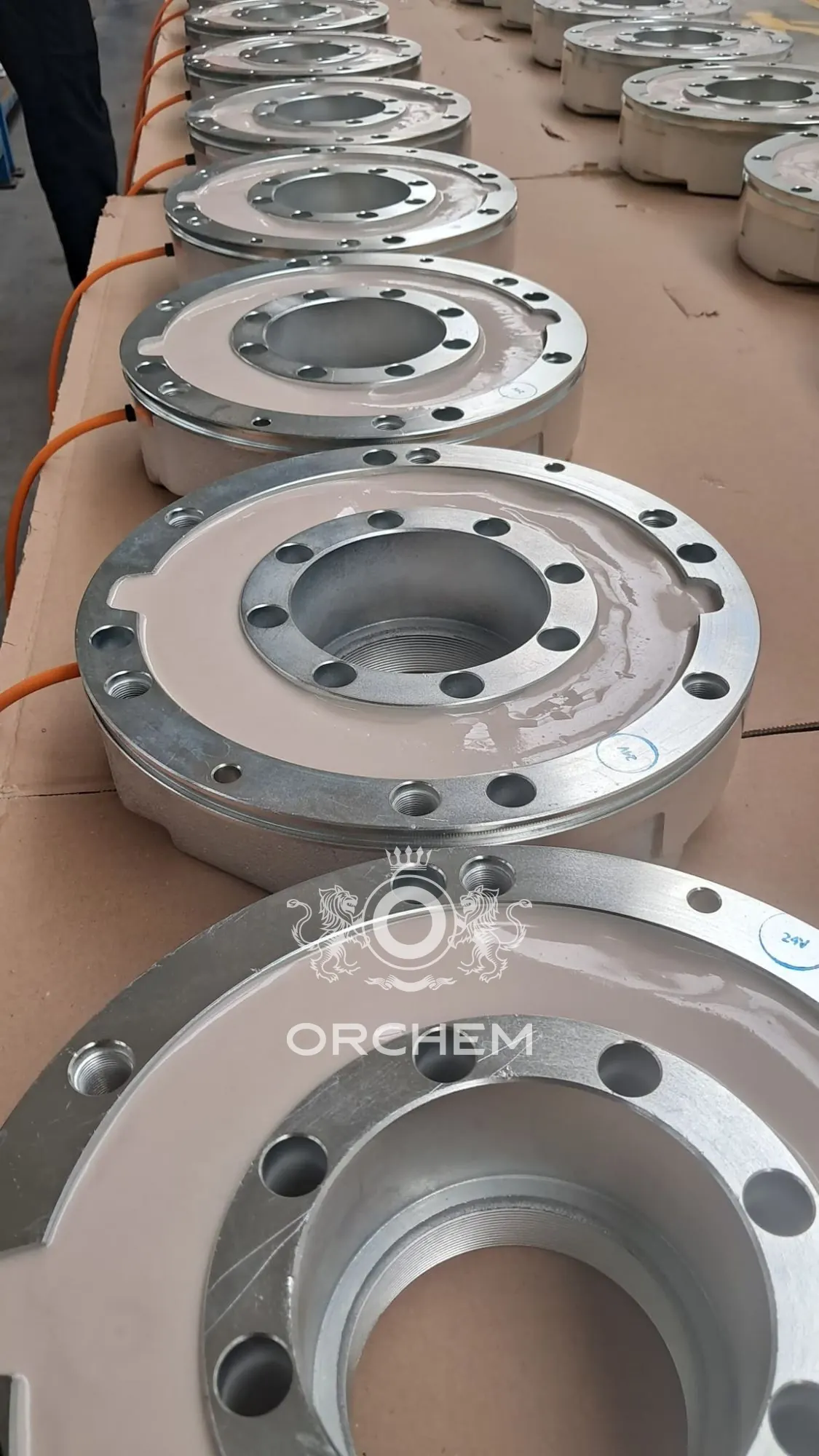
EPC-620 flame-retardant epoxy potting resin
Halogen-free flame-retardant filled 2K epoxy; cures at room temperature, no oven.OR-420 polyurethane casting resin
Non-flammable 2K polyurethane casting resin; cures at room temperature, keeps insulating in humid conditions.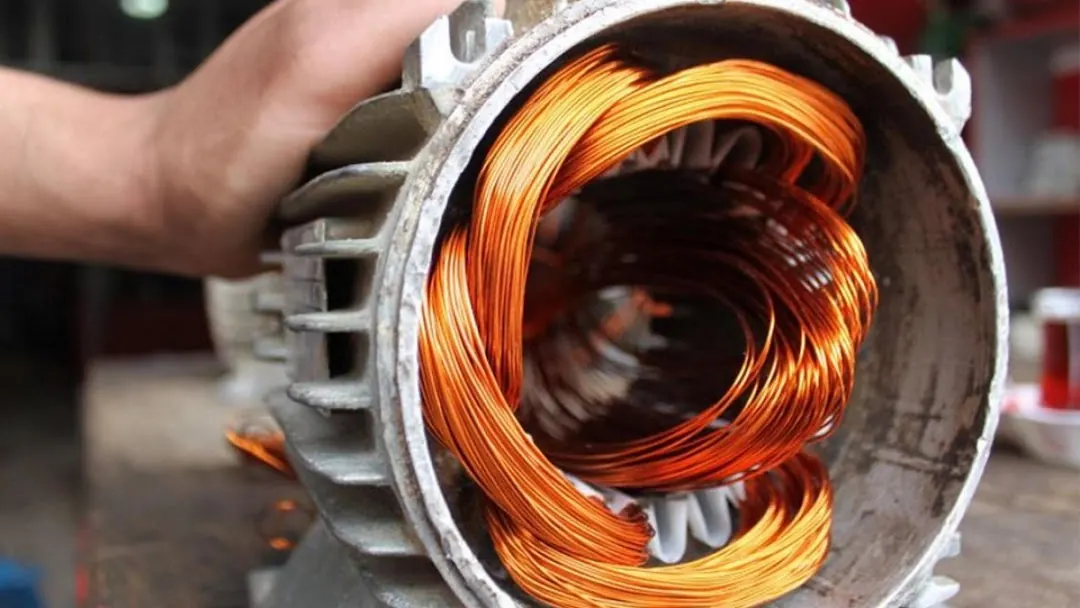
OR-3200 GC glass-fibre conductor varnish
Varnish for glass-fibre covered conductors; thinned with T-3200.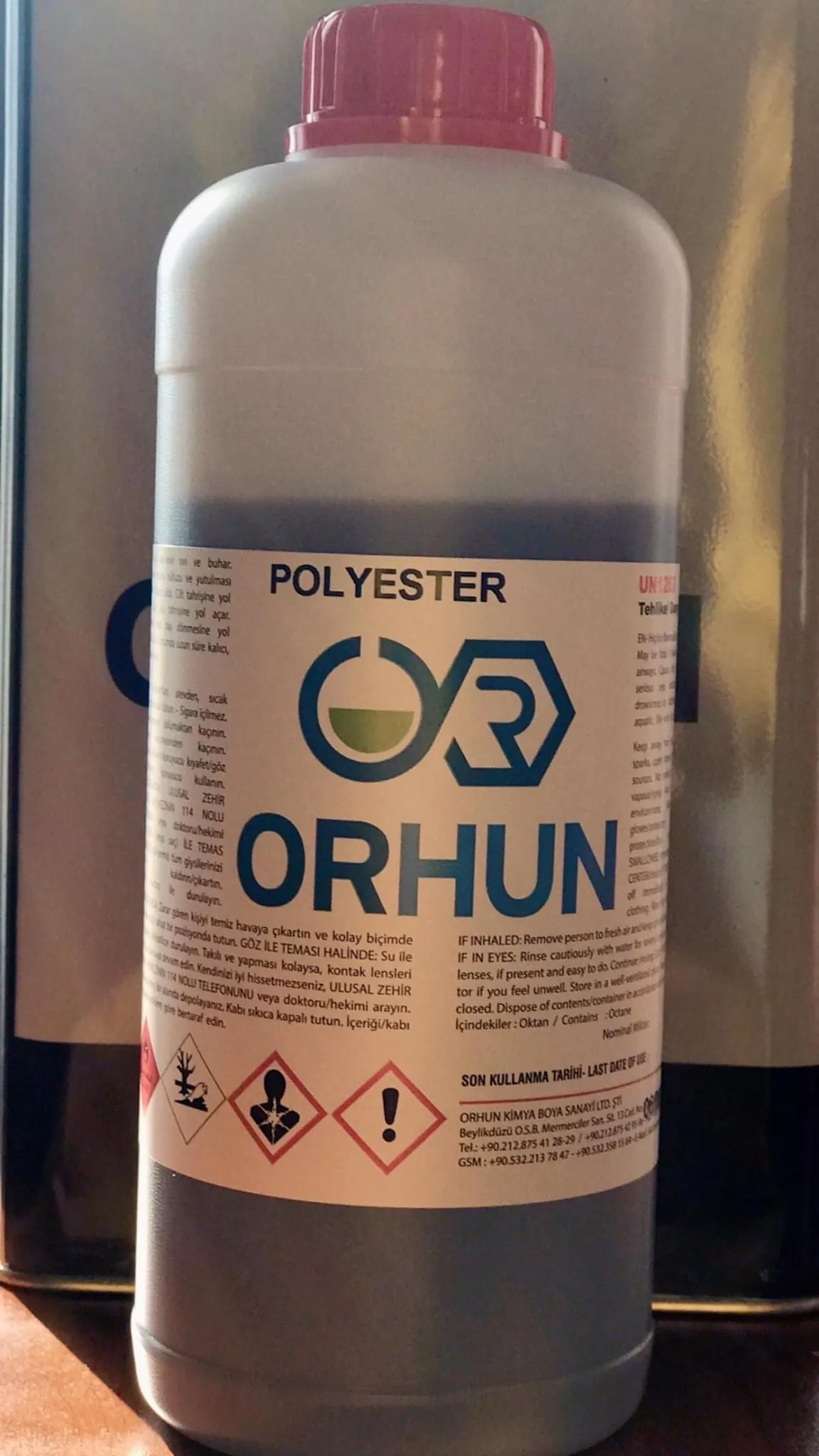
Polyester resin
Polyester resin in casting, GRP fibre, SMC/BMC, RTM cold-press, button, acrylic and putty grades.

Related reading
- Which winding varnish should you use?Choose the right varnish in 4 steps by thermal class, oven availability and motor type.
- Which thinner for winding varnish, and at what ratio?Which thinner for which varnish, what a 3:1 ratio means, and what too much thinner does.
- Why won't winding varnish dry, and why does it stay tacky?The 6 most common causes, a symptom-based diagnosis table and how to rescue varnish that won't dry.
- Air-drying or baking winding varnish?The difference between the two varnish types, when to choose each, and how to apply each correctly.
- How to varnish a motor windingDip and bake, VPI, trickle, brush and spray: how each works and which one fits your shop.
- Why is insulation resistance low after varnishing?Six causes of a low megger reading, a symptom-based diagnosis table and how to dry and retest.
- What is VPI? How is vacuum pressure impregnation done?The VPI steps, how it differs from dipping and pouring, which varnish to use and common mistakes.
- What is a thermal class? Class B, F and H insulation explainedWhat Class B, F and H mean, how to read a motor nameplate, and why varnish class must not be lower.
- How do you dry a winding before varnishing?Why moisture in a winding is a problem, how to clean and dry it, and how to check dryness with a megger.
- If the wire is enamelled, why do you still need winding varnish?Enamel vs varnish: gaps between wires, vibration, moisture, heat and class matching.
- Is an insulating topcoat needed?Impregnating varnish vs topcoat, when a topcoat is worth it and how to apply it.
- Electrical insulation glossaryShort, plain definitions of the terms used in varnishing windings, motors and transformers.
- How to make a resin cable joint? What is Protolin and how is it prepared?What Protolin is, how a resin-filled cable joint is made step by step, how to prepare the mix and common mistakes.