
Electrical insulating varnish
Impregnating varnishes, insulating topcoats and insulation sprays for electric motors, transformers, variacs, generators and electronic boards. Made in Istanbul under the Orchem brand since 1988.
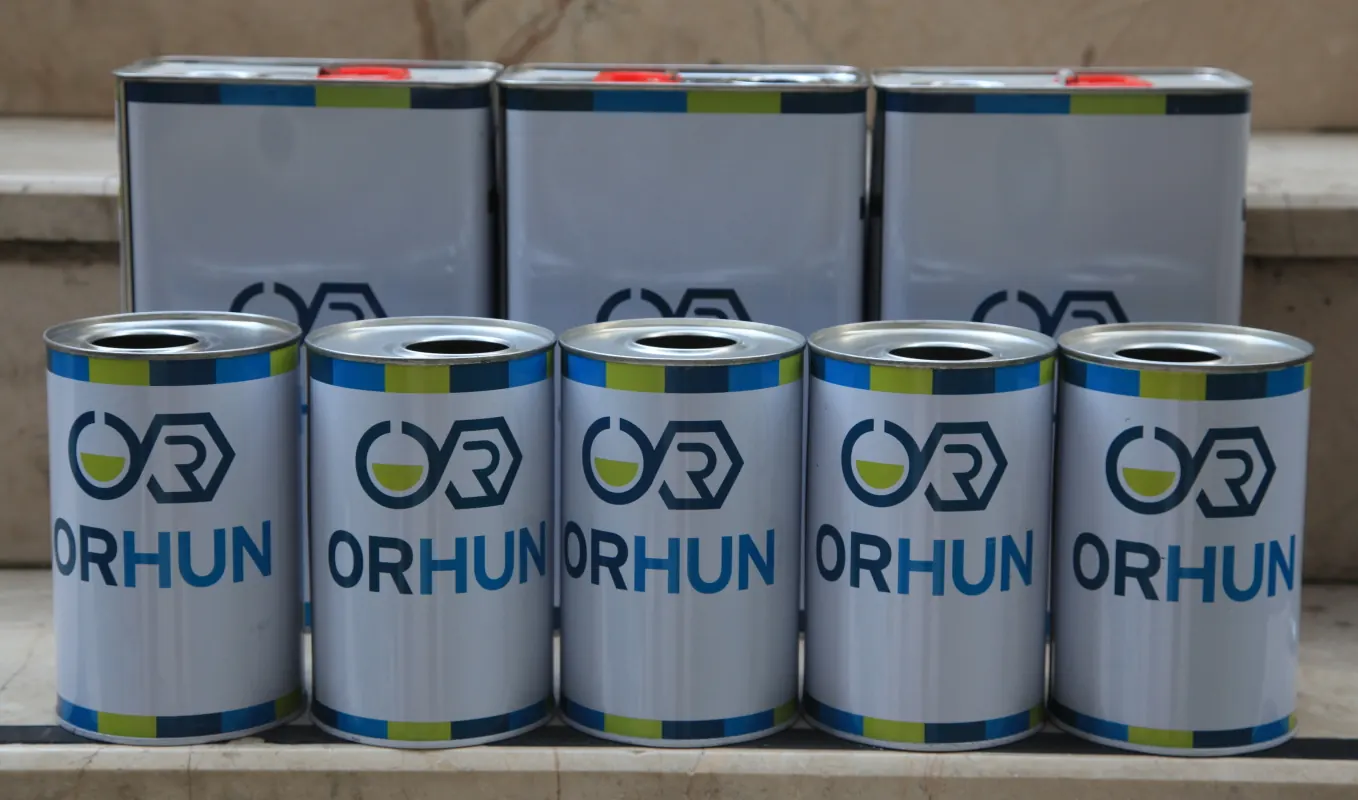

Air-drying winding varnish
OR 1xx series. No oven, dries at room temperature.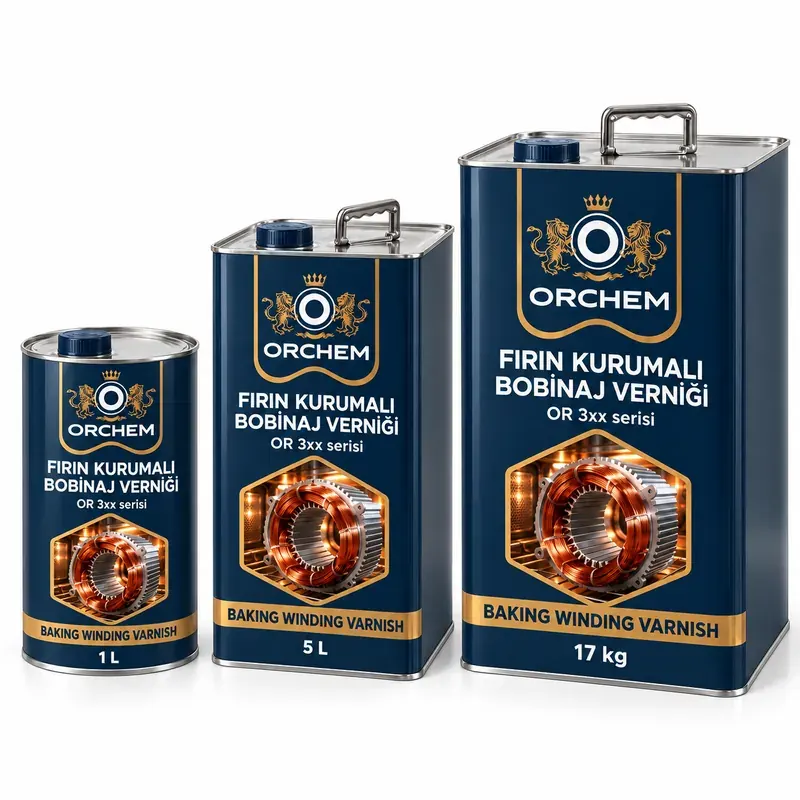
Baking winding varnish
OR 3xx series. Highest bond strength.
OR-114 class H varnish
2K polyurethane, class H (180 °C), refrigerant-gas resistant, no oven.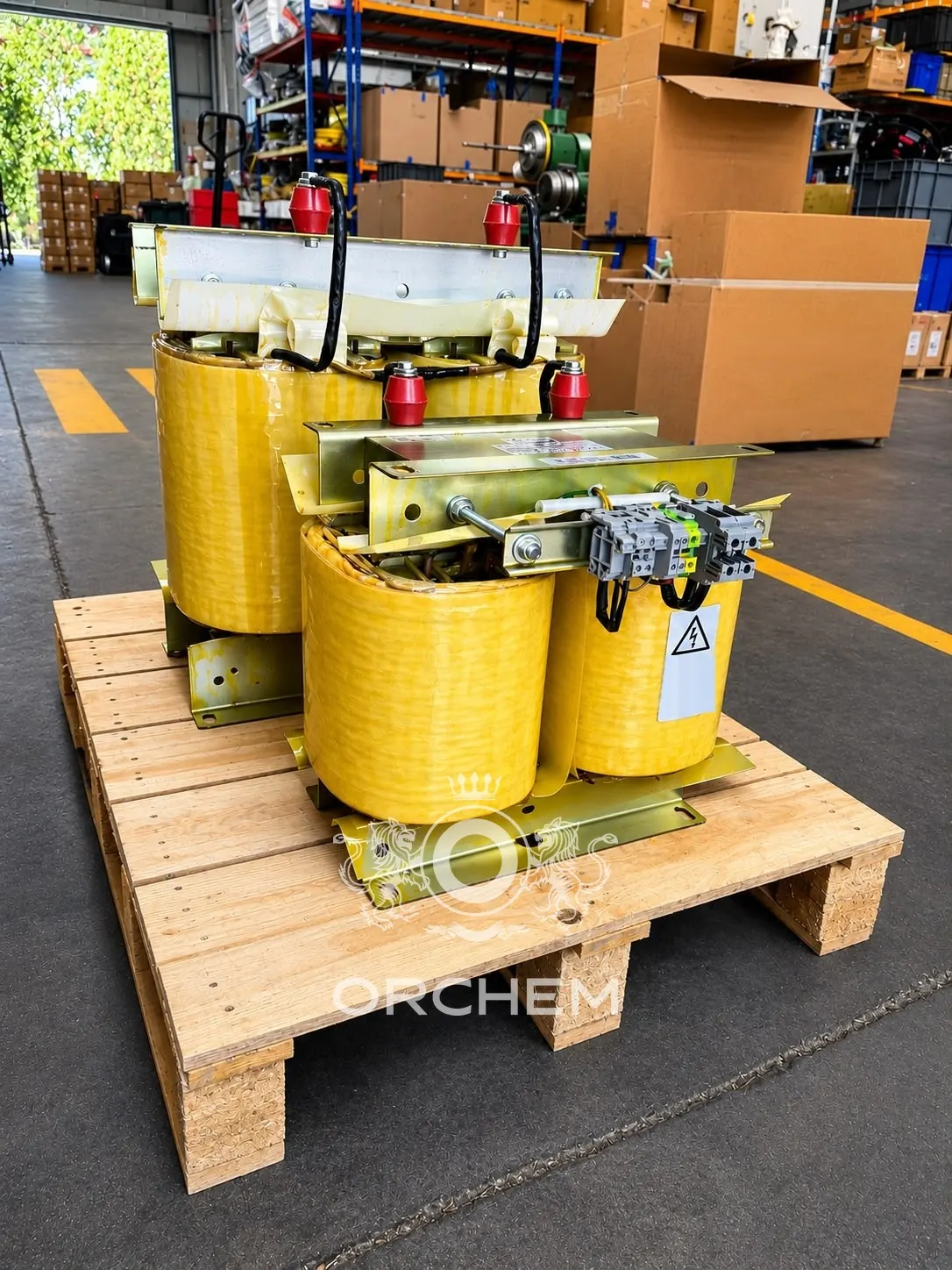
Air-drying transformer varnish
Class F (155 °C), dip, pour or spray.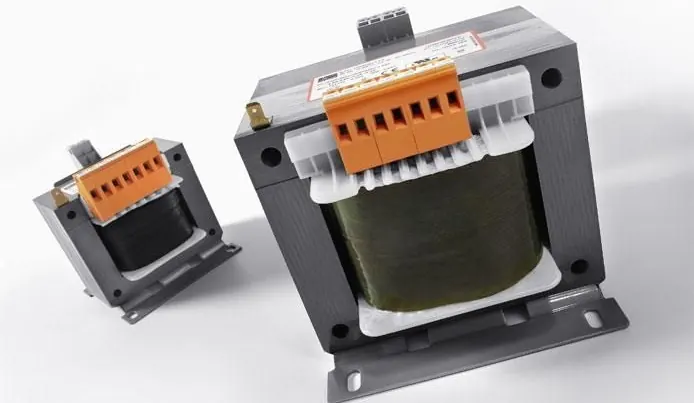
Baking transformer varnish
Class F and H; polyester, epoxy or PU.
Variac varnish
120–200 °C, colourless, no sediment.
Insulating topcoat lacquers
Anti-flash topcoat: OR-990 (155–180 °C) and epoxy OR-411 (H); red, black, grey.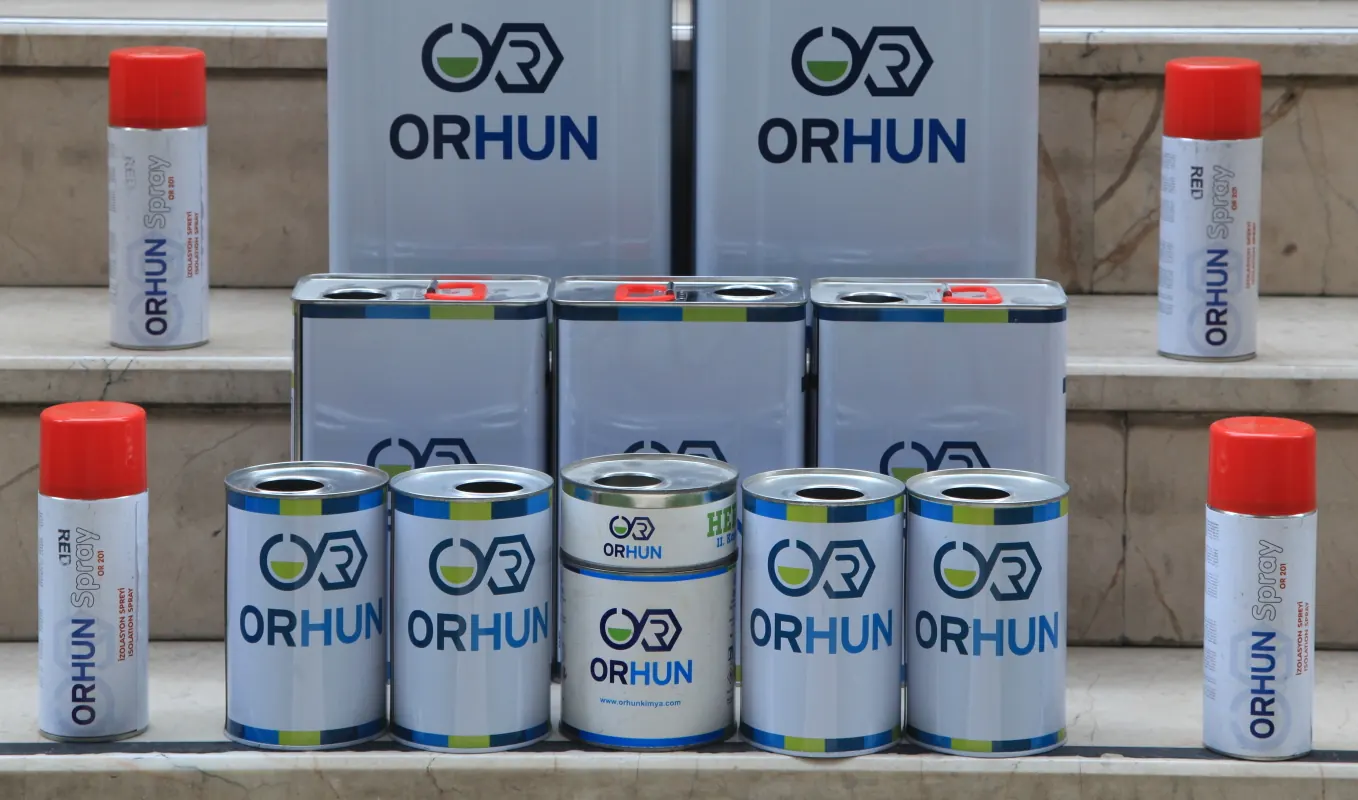
Pole and insulation paints
For poles and connections.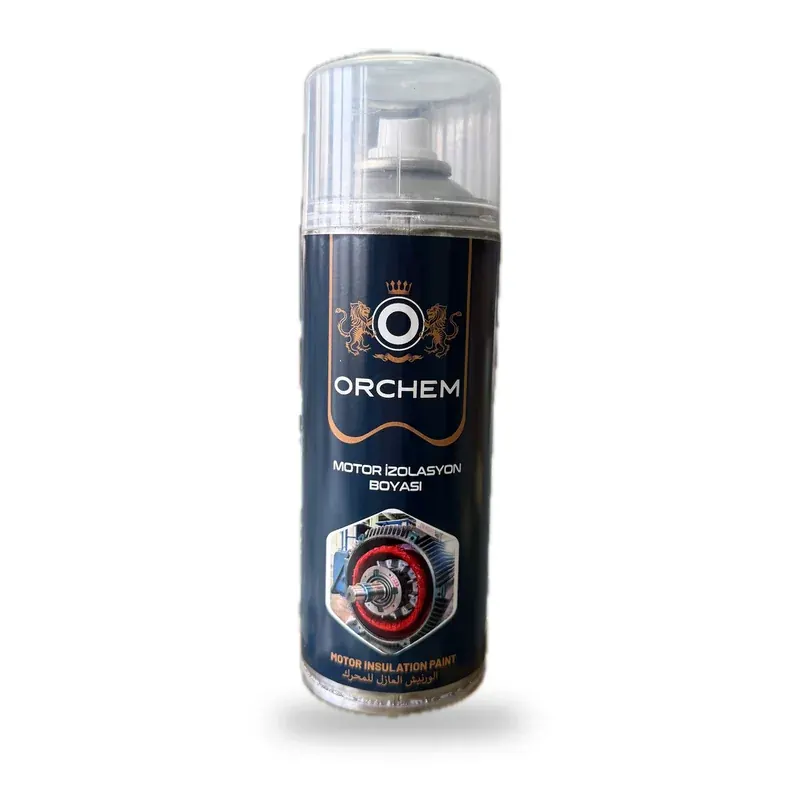
Motor insulating spray
Class F, coats windings and terminals in one step.
PCB insulating varnish
Conformal coating against moisture and dust.
What is electrical insulating varnish?
Electrical insulating varnish is a liquid coating that separates current-carrying conductors from each other and from the frame, leaving an insulating film once it hardens. It soaks into windings and bonds the wires together, keeps out moisture, dust, oil and chemicals, and makes the winding more resistant to vibration and heat. Enamelled wire alone is not enough: unless the gaps between the wires are filled with varnish, the winding absorbs moisture, wears under vibration and eventually shorts out.
Where is it used?
- Electric motors: stator and rotor windings, armatures, compressor motors. See our motor varnish and winding varnish pages.
- Transformers: low and medium voltage transformers, reactors, chokes. See our transformer varnish page.
- Variacs: variac varnishes for toroidal variable transformers.
- Generators and alternators: air-drying and baking impregnating varnishes for large windings.
- Electronic boards: electronic board insulating varnishes that protect boards from moisture and dirt.
- Wire production: OR-3200 wire varnish for glass-fibre insulated wire.
Types of electrical insulating varnish
By drying method
Air-drying varnishes dry at room temperature without an oven. They suit rewind shops, field repairs and large parts: OR-100, OR-102, OKA-501 and the transformer varnish OR-105. Baking varnishes cure in an oven and give the hardest, most durable film; they are meant for series production: motor varnish OR-300, transformer varnish OR-305, the water-based OR-306 and the low-VOC OR-307. Two-component varnishes harden by chemical reaction; the polyurethane-based OR-114 dries at room temperature and is class H.
By function
Impregnating varnishes soak into the winding and bond the wires. Insulating topcoats and paints go on top of the impregnating varnish and protect the end windings from impact and dirt: OR-411 and OR-990, as well as pole and insulation paints. Insulation sprays are for touch-ups and maintenance: motor insulating spray.
By base
We make varnishes on phenolic, modified alkyd, polyurethane, epoxy and water-based resins. The base decides the flexibility, chemical resistance, drying method and odour of the varnish. The base of each product is listed in the tables below.
Thermal classes
Electrical insulating materials are classed by the highest temperature they can withstand continuously. The varnish must not be below the class on the machine's nameplate.
- Class B: 130 °C. Small and medium motors. Example: OR-100.
- Class F: 155 °C. Most industrial motors and transformers. Examples: OR-102, OKA-501, OR-105.
- Class H: 180 °C. Motors running hot, dry-type transformers, compressor motors. Examples: OR-114, OR-300, OR-305, OR-411.
Application methods
- Pouring: the varnish is poured over the winding of an upright stator. The most common method for one-off repairs.
- Dipping: the part is immersed in varnish and drained. Fast in series production.
- VPI (vacuum pressure impregnation): vacuum removes the air from the winding and pressure pushes the varnish in. Used for transformers and large machines; OR-300 and OR-305 are suitable for VPI.
- Spray gun and brush: for topcoats, touch-ups and large surfaces.
- Spray can: for small jobs, maintenance and electronic boards.
Choosing the right varnish
Send us the winding type (motor, transformer, variac, board), the thermal class, whether you have an oven, your application method and the operating environment (humidity, chemicals, refrigerant, oil). We will recommend a product and send its TDS.
Air-drying insulating varnishes
| Product | Base | Thermal class | Properties and use |
|---|---|---|---|
| OR-100 | Phenolic | B · 130 °C | Impregnation of electric motors in small-batch production |
| OR-102 | Phenolic | F · 155 °C | Fast-drying insulating varnish for rewind shops |
| OKA-501 | See TDS | F · 155 °C | Very fast-drying insulating varnish, ideal for rewind shops. Thinned with T-501, 4 L tin |
| OR-105 | High solids | F · 155 °C | Transformer insulating varnish; applied by spray gun or dipping, thinned with T-100 |
| OR-114 (2 BK 1024) | 2K polyurethane | H · 180 °C | Room-temperature curing motor insulating varnish; high chemical resistance, resistant to Freon and similar refrigerant gases |
Baking insulating varnishes
| Product | Base | Thermal class | Properties and use |
|---|---|---|---|
| OR-300 | One-component, solvent-based | H · 180 °C | Oven-cured motor and transformer insulating varnish; applied by dipping or VPI |
| OR-305 | See TDS | H · 180 °C | Baking transformer insulating varnish; applied by dipping, VPI or spray gun |
| OR-306 | Water-based | See TDS | Water-based baking insulating varnish |
| OR-307 | See TDS | See TDS | LF: low-VOC baking insulating varnish |
| OR-3200 | See TDS | See TDS | Varnish for glass-fibre insulated wire production |
Insulating topcoat paints
| Product | Base | Thermal class | Colour and production |
|---|---|---|---|
| OR-411 | Epoxy | H · 180 °C | Electrical insulating topcoat paint; red, black or grey; made to order |
| OR-990 | 1K, solvent-based | 155–180 °C | Air-drying insulating topcoat varnish; red, black or grey |
Technical information
| Use | Electric motors, transformers, reactors, variacs, generators, alternators, electronic boards, insulated wire |
|---|---|
| Drying | Air-drying, baking, two-component |
| Thermal class | B · 130 °C, F · 155 °C, H · 180 °C |
| Base | Phenolic, modified alkyd, polyurethane, epoxy, water-based |
| Application | Pouring, dipping, VPI, spray gun, brush, spray can |
Drying time, viscosity and pack sizes are given in the product TDS.
Questions
What does electrical insulating varnish do?
It bonds the winding wires together, fills the gaps between them, keeps out moisture, dust and chemicals, improves resistance to vibration and heat and insulates the conductors from each other.
What is the difference between insulating varnish and insulating paint?
Insulating (impregnating) varnish soaks into the winding and bonds the wires. Insulating paint or topcoat goes on top of the varnish and protects the end windings from outside. The two are used together.
Which thermal class should I choose?
Choose the class on the machine's nameplate or one above. Class B is 130 °C, class F 155 °C and class H 180 °C. The varnish must not be below the class of the machine.
Air-drying or baking?
If you have no oven and do one-off repairs, choose an air-drying varnish. If you run series production and have an oven, a baking varnish gives a harder, more durable film. Air-drying or baking winding varnish?
Can the same varnish be used for motors and transformers?
In most cases separate products are recommended. For motors we make OR-100, OR-102, OKA-501, OR-300 and OR-114; for transformers OR-105 and OR-305.
Do you have water-based or low-VOC insulating varnish?
Yes. OR-306 is a water-based and OR-307 a low-VOC baking insulating varnish. Ask for the TDS for their values.
How do I get a product's TDS?
Fill in the form or write to us on WhatsApp; we will send the product's TDS and recommend a product for your application.