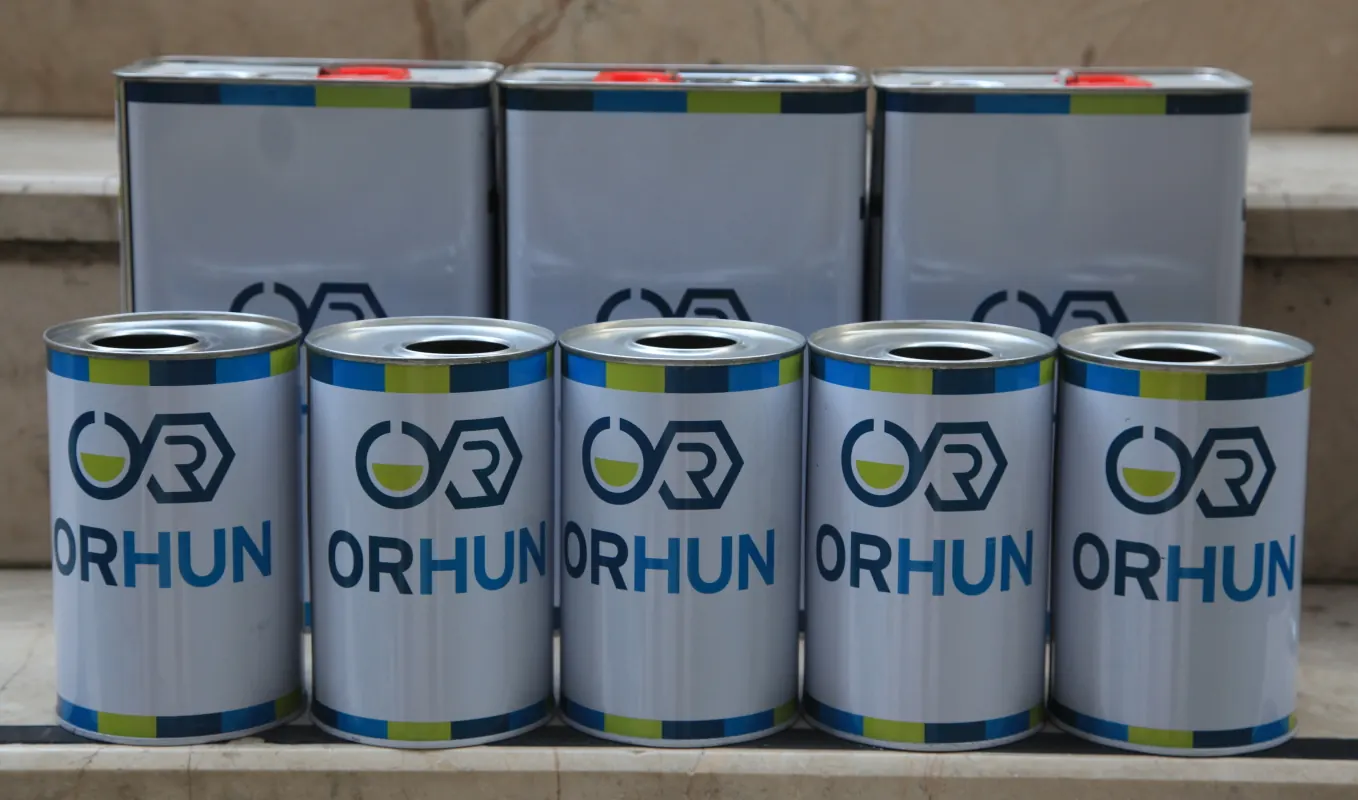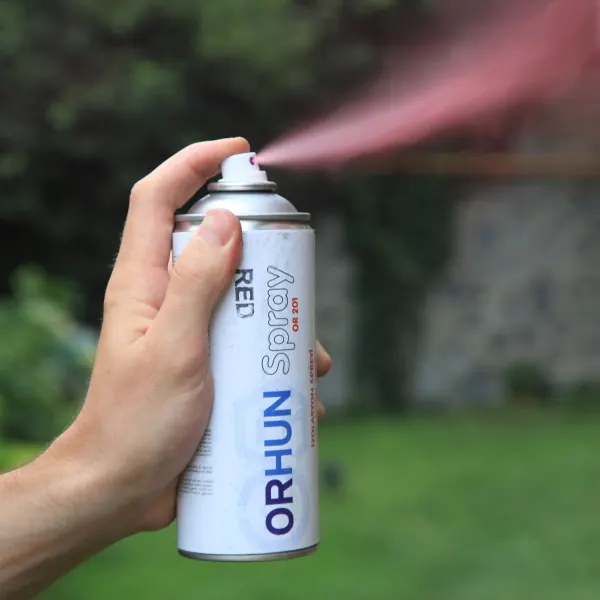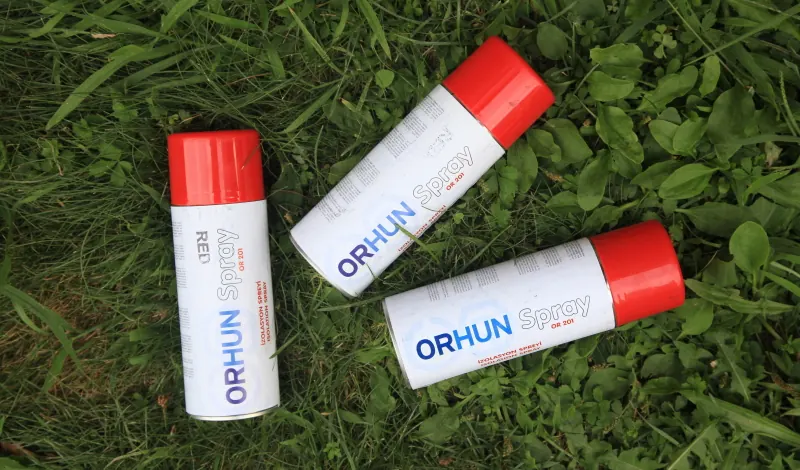
Thinner Types: Cellulosic, Synthetic, Rapid and Varnish Thinners
Cellulosic, synthetic, rapid and cleaning thinners, plus varnish thinners T-100, T-300, T-501.
Technical information
| Thinner types | Cellulosic, synthetic, rapid, cleaning thinner |
|---|---|
| Varnish thinners | T-100, T-300, T-501 |
| T-100 | Single-component air-drying varnishes (OR 1xx); general use 3 varnish : 1 thinner |
| T-501 | OKA-501 motor insulating lacquer; general use 3 varnish : 1 thinner |
| T-300 | Baking varnishes (OR-300 series); 2–8 % by volume, tank viscosity 60 s (DIN Cup 4) |
| Cleaning thinner | Cleaning spray guns, brushes and equipment; not for thinning |
| 2K epoxy and polyurethane systems | In the product TDS |
| Safety | Flammable; use in a ventilated area away from flames |
Drying time, viscosity and pack sizes are given in the product TDS.
What is a thinner?
A thinner is a solvent blend used to bring paint and varnish to application viscosity or to clean painting equipment. Besides cellulosic, synthetic, rapid and cleaning thinners, Orhun Kimya makes the varnish thinners T-100, T-300 and T-501 matched to its own electrical insulating varnishes.
Every paint and varnish is formulated around a specific solvent system. The right thinner lowers viscosity without harming the film; the wrong one can cloud the paint, make it curdle or slow its drying. So the first rule of choosing a thinner is simple: thin each product with its own thinner.
Where is it used?
- Thinning cellulosic (nitrocellulose) paints, primers and varnishes,
- Thinning synthetic (alkyd) paints and varnishes,
- Spray-gun work where fast evaporation is needed (rapid thinner),
- Cleaning spray guns, brushes, containers and equipment (cleaning thinner),
- Bringing winding and transformer insulating varnishes to working viscosity and keeping the dip tank consistent (T-100, T-300, T-501).
Thinner types and their properties
Cellulosic thinner
Used with nitrocellulose-based paints, primers and varnishes. It evaporates quickly and is useful for adjusting viscosity in cellulosic systems and cleaning the equipment used with them.
Synthetic thinner
Used to thin alkyd-based synthetic paints and varnishes. It evaporates more slowly than cellulosic thinner, giving the paint time to level in brush and roller work.
Rapid thinner
A fast-evaporating thinner preferred for spray-gun application and jobs that need a short drying time. Check the product label or TDS for the paint systems it suits.
Cleaning thinner
Used to remove paint and varnish residue from spray guns, brushes, containers and equipment. Do not use it to thin paint or varnish; it can spoil the film.
Varnish thinners: T-100, T-300 and T-501
- T-100: for single-component air-drying winding varnishes (OR 1xx series: OR-100, OR-102, OR-105). For general use, add 1 measure of thinner to 3 measures of varnish. The air-drying transformer varnish OR-105 is also thinned with T-100.
- T-501: for the very fast-drying OKA-501 motor insulating lacquer; the general ratio is 3 measures of varnish to 1 of thinner.
- T-300: for baking winding varnishes (OR-300 series). Add 2–8 % by volume; the aim is to keep the tank viscosity at about 60 s (DIN Cup 4).
For two-component systems such as OR-114, and for epoxy or polyurethane paints and varnishes, whether thinning is needed and which thinner to use is stated in the product TDS.
How to use it
- Check the paint or varnish label or TDS for the thinner to use.
- Use a clean, dry container with no old paint or other chemicals in it.
- Pour in the paint or varnish first, then add thinner a little at a time.
- Mix thoroughly, scraping the bottom, and check the viscosity for your method; spray gun, brush and dipping each need a different consistency.
- Solvent evaporates from a dip tank over time; as it thickens, add a small amount of its own thinner and stir.
- When finished, clean equipment with cleaning thinner and keep thinner containers tightly closed.
For ratios in detail, see our guide on which thinner to add to varnish and in what ratio.
How to choose and what to watch
Choose a thinner by the solvent system of the product being thinned; evaporation speed or smell alone is not a criterion. For varnishes the rule is clear: Orchem varnishes are thinned with their own thinner. Thinning winding varnish with cellulosic or cleaning thinner is not recommended.
Thinner and its vapour are flammable. Work in a well-ventilated area away from open flames and sparks, and wear gloves and safety glasses. Store containers closed in a cool place.
Common mistakes
- Using whatever thinner is at hand: an incompatible solvent clouds or curdles the varnish or spoils its drying, and the varnish may stay tacky. See why varnish does not dry.
- Adding too much thinner: the film gets thin, too little varnish stays in the winding, insulation and bond strength drop and the varnish runs.
- Adding too little thinner: the varnish does not penetrate between the turns and leaves a thick surface layer.
- Thinning paint with cleaning thinner.
- Leaving the container open: the thinner evaporates and flammable vapour builds up.
To ask which thinner suits your product and to get the technical data sheet (TDS), write to us via the form or WhatsApp.
Product groups
- Cellulosic Thinner
- Synthetic Thinner
- Rapid Thinner
- Cleaning Thinner
Questions
What is thinner used for?
Thinner brings paint and varnish to application viscosity and is used to clean painting equipment. The right thinner lowers viscosity without harming drying or adhesion of the film.
What is the difference between cellulosic and synthetic thinner?
Cellulosic thinner is for nitrocellulose-based paints, synthetic thinner for alkyd-based synthetic paints. They are not interchangeable; the wrong thinner can curdle the paint or spoil its drying.
Which thinner is used for winding varnish?
Each Orchem varnish is thinned with its own thinner: single-component air-drying OR 1xx varnishes with T-100, OKA-501 with T-501 and the baking OR-300 series with T-300.
How much thinner is added to varnish?
For air-drying varnishes and OKA-501, general use is 1 measure of thinner to 3 measures of varnish. For baking varnishes, T-300 is added at 2–8 % by volume, keeping tank viscosity around 60 s (DIN Cup 4).
Can I thin winding varnish with cellulosic thinner?
Not recommended. Cellulosic thinner may be incompatible with the varnish and can cloud it or spoil its drying. Thin the varnish with its own thinner.
Can cleaning thinner be used to thin paint?
No. Cleaning thinner is for spray guns, brushes and equipment; using it to thin paint or varnish can spoil the film.
Which thinner is used for epoxy and polyurethane paints?
For two-component epoxy and polyurethane systems, whether thinning is needed and which thinner to use is stated in the product TDS; request it via the form or WhatsApp.