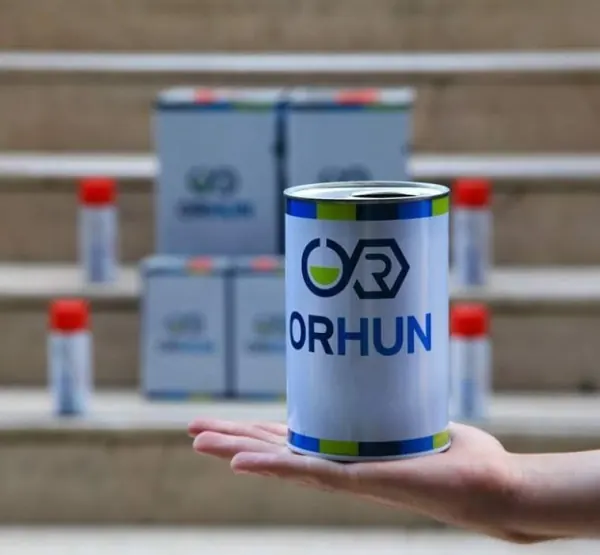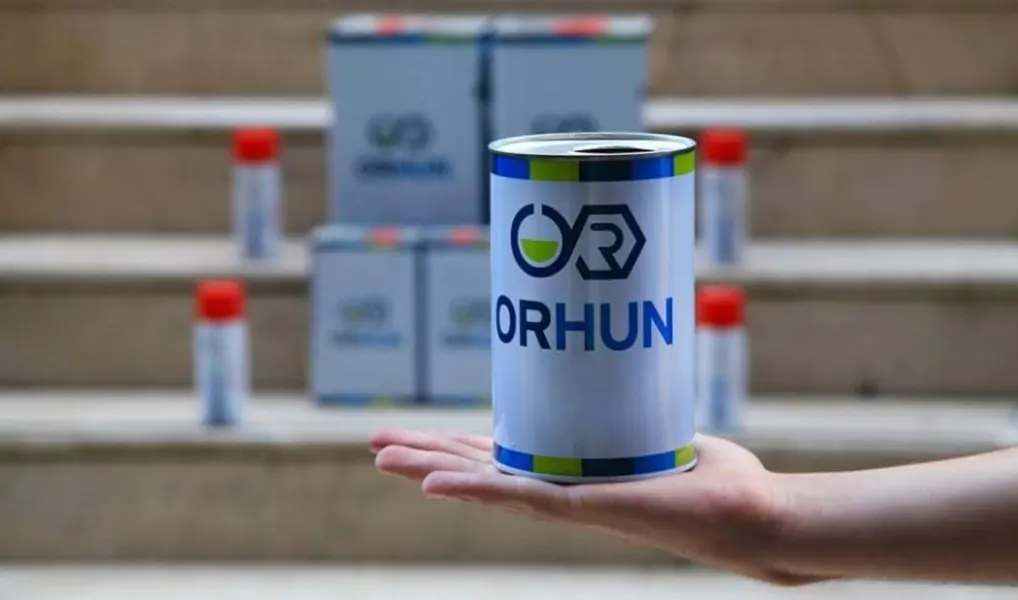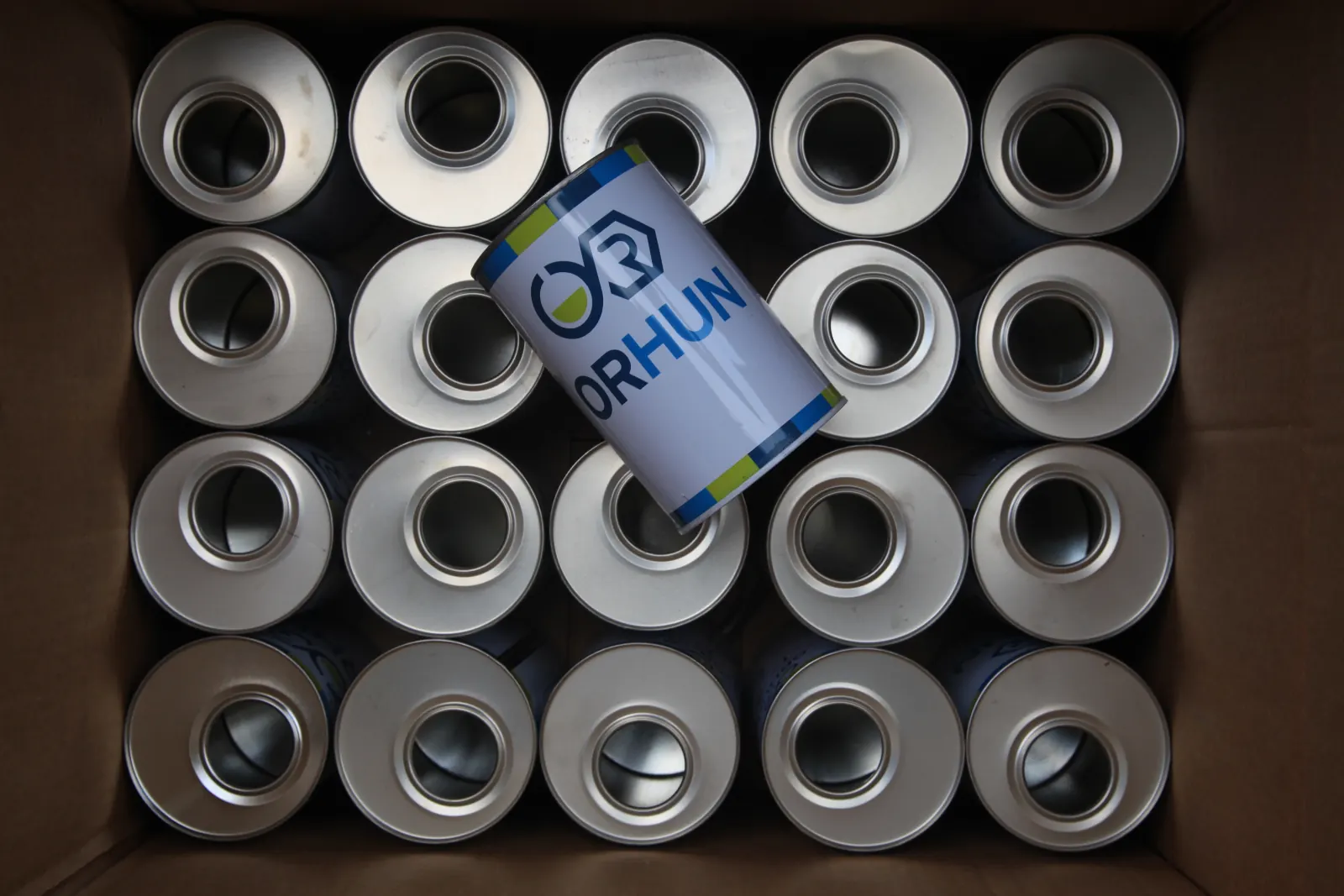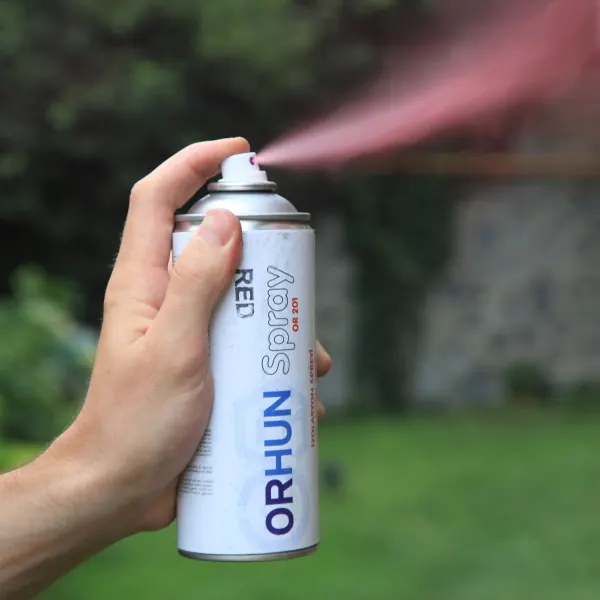
Topcoat paints and industrial varnishes
Alkyd-based air-drying topcoat and fast-drying varnish; high hiding power and a smooth finish on metal.
Technical information
| Product group | Topcoat paint and industrial varnish |
|---|---|
| Paint base | Alkyd resin |
| Drying | Air drying; varnishes also suit low-temperature oven drying |
| Drying speed | Fast; times in the product TDS |
| Key features | High hiding power, light resistance, good adhesion to metal |
| Substrate | Prepared metal and industrial products |
| Application | Spray, brush, roller |
| Thinning | Thinner type and ratio in the product TDS |
| Colour | On request |
Drying time, viscosity and pack sizes are given in the product TDS.
What is a topcoat paint?
A topcoat paint is the outermost coat on an industrial product: it gives the part its colour and gloss and provides the first line of protection against the environment. Orhun Kimya's topcoat paint is alkyd resin based and air drying; it dries at ambient temperature without an oven. Finishing varnishes form a clear, durable film over the paint or over a bare surface.
These products are made for workshops and factories that want to speed up the last step of production. For heavier chemical or abrasion exposure, see our epoxy paints and varnishes; where outdoor and UV resistance matter most, see polyurethane paints and varnishes. All paint systems are listed on the industrial paints page.
Where is it used?
- As the final coat on machinery, equipment and steel structure parts,
- On sheet metal, cabinets, panels and enclosures,
- On production lines where fast drying is needed,
- On jobs where large surfaces must be covered quickly,
- As a clear protective, glossy finish over painted or bare surfaces (varnish).
Outdoor paints made specifically for transformer tanks are on the transformer exterior paints page. Products applied over windings for electrical insulation are a separate group: insulating finishing lacquers and paints.
Properties
- Alkyd based, air drying: no oven needed; dries at room temperature.
- Fast drying: parts can be handled sooner, saving process time.
- High hiding power: even colour on large areas with fewer coats.
- Good adhesion to metal: holds firmly on properly prepared metal and leaves a smooth feel.
- Light resistance: helps colour and appearance hold up in sunlight.
- Varnishes: dry quickly across a wide range of ambient temperatures and build a durable, full film; besides air drying they also suit low-temperature oven drying. Options exist for both water-based and solvent-based use.
How to apply
- Prepare the surface: remove rust, mill scale, oil, dust and loose old paint. Paint will not adhere to oily metal.
- Prime if needed: on bare steel a suitable primer is good practice for corrosion protection; ask us about primer–topcoat compatibility.
- Stir the paint: mix thoroughly so no pigment remains settled at the bottom.
- Adjust viscosity: thin with a suitable thinner for spray, brush or roller. Thinner type and ratio are given in the product TDS; see thinner types for options.
- Apply thin, even coats: two thin coats instead of one heavy coat prevent sagging and slow drying.
- Allow to dry: recoat and full-dry times depend on temperature and film thickness; values are in the TDS.
How to choose, what to watch for
The environment decides first. For indoor machinery and equipment, an alkyd air-drying topcoat is practical in terms of speed and cost. With constant chemical or solvent contact or heavy abrasion, epoxy is the better fit; outdoors, where sunlight and gloss retention matter, polyurethane systems are more suitable. Send us the colour, gloss level (gloss, semi-matt, matt), application method and required drying speed, and we will select the right product with you.
Common mistakes
- Painting over oil or rust: the paint soon blisters and peels.
- One heavy coat: the surface skins over while the film underneath stays soft; sagging and wrinkling follow.
- Using any thinner at hand: an incompatible thinner can cause curdling, loss of gloss or drying problems.
- Painting in cold, humid conditions: drying slows and the surface may turn dull.
- Stacking or packing before dry: parts stick together and marks remain.
For colours, packaging and the technical data sheet (TDS), write to us via the form or WhatsApp.
Questions
What is a topcoat paint used for?
A topcoat gives an industrial product its final colour and gloss and protects the surface from the environment. It is the outermost coat, applied over the primer or intermediate coat.
Is the topcoat air drying?
Yes. Orhun Kimya topcoat paint is alkyd based and air drying; no oven is needed. The varnishes can be air dried or dried in an oven at low temperature.
How long does the topcoat take to dry?
Drying time depends on ambient temperature, humidity and film thickness. Touch-dry and full-dry times are given in the product TDS; request it via the form or WhatsApp.
What is the topcoat thinned with?
With a suitable thinner. Thinner type and ratio are in the product TDS; do not use a random thinner, as it can cause curdling or drying problems.
Can I apply the topcoat to bare metal without primer?
It adheres to clean, oil-free metal, but for long-term corrosion protection on bare steel a suitable primer underneath is recommended.
Is a topcoat paint the same as an insulating finishing lacquer?
No. A topcoat paint is for the appearance and protection of industrial products; an insulating finishing lacquer is applied to motor and transformer windings for electrical insulation.
Which colours are available?
Colours are prepared on request. Send us the colour code and gloss level you need.