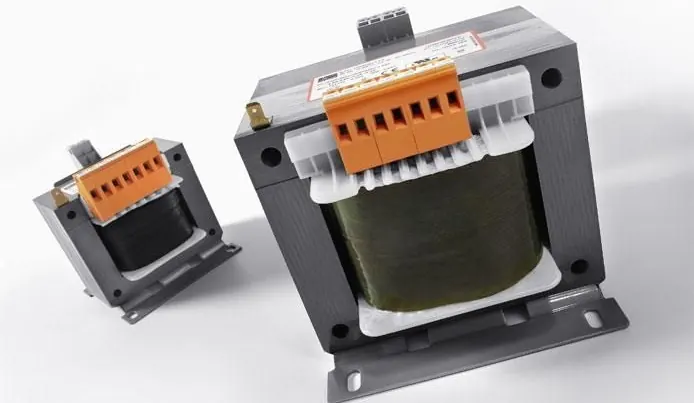
EPC-640 Transformer Casting Resin
Solvent-free filled 2K transformer casting resin; halogen-free flame retardant, oven-cured.
Technical information
| Type | Solvent-free, two-component (2K), filled, halogen-free flame-retardant casting and impregnation resin |
|---|---|
| Mix ratio | A : B = 100 : 18 (by weight) |
| Mix viscosity | < 800 mPa·s (Brookfield, 60 °C) |
| Part A | Off-white paste; density 1.75–1.85 g/cm³ (25 °C, ISO 2811); viscosity < 10,000 mPa·s (25 °C) |
| Part B | Clear liquid; density 1.20–1.25 g/cm³; viscosity < 500 mPa·s |
| Filler content | 60–63 % by weight |
| Grind | < 60 µm (ASTM D1210) |
| Cure | Gelation at 80–90 °C + post-cure at 120–140 °C (oven) |
| Hardness | > 85 Shore D (ISO 868) |
| Adhesion (pull-off) | > 3 MPa (ISO 4624) |
| Cured density | 1.80–1.90 g/cm³ (ISO 1183) |
| Flame retardancy | Halogen-free (filler system) |
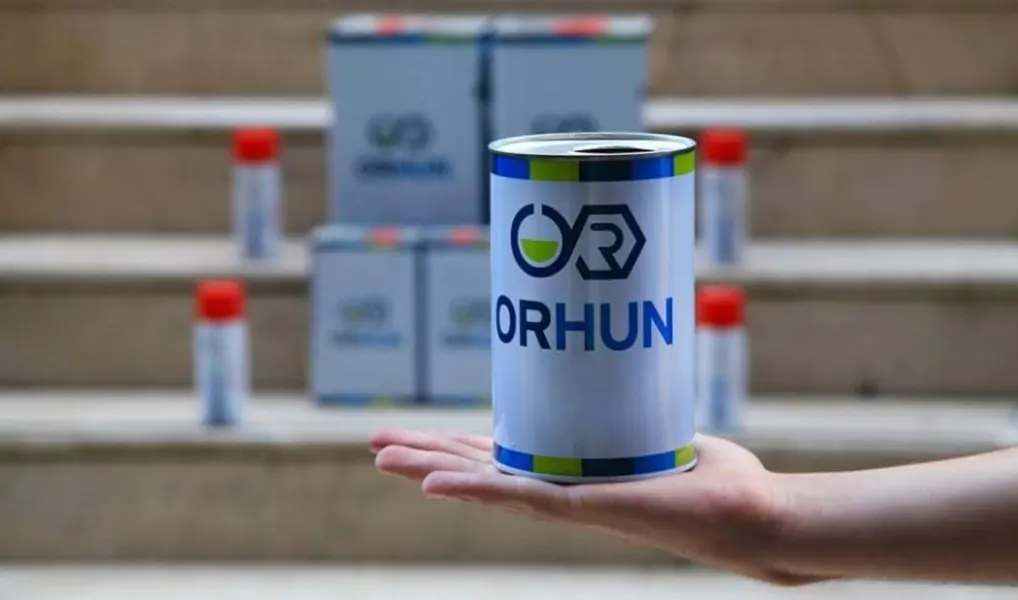
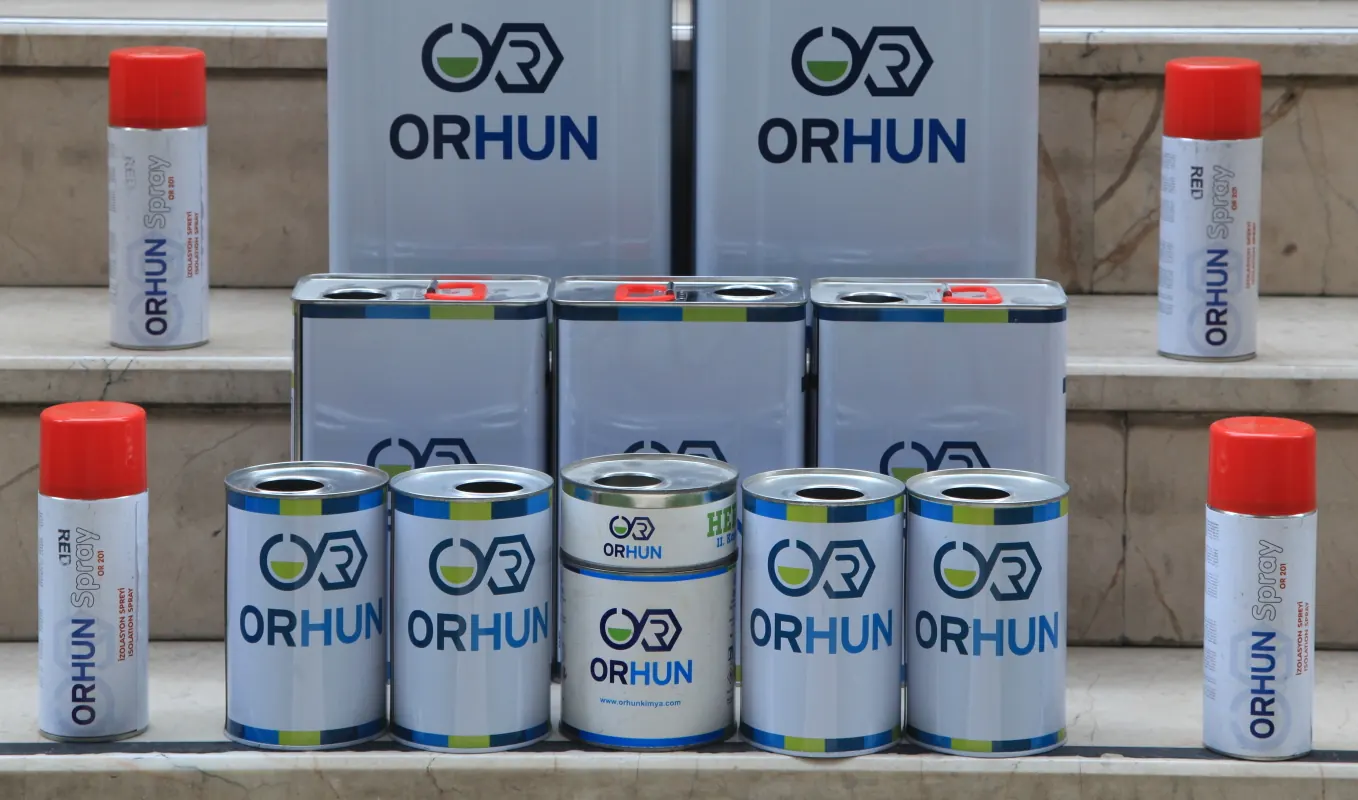
| Packaging | A and B in separate containers matching 100:18; pack sizes on request |
| Shelf life | A: 12 months (10–30 °C, cool, dry, closed); B: 3 months (cool, dark, tightly closed) |
Drying time, viscosity and pack sizes are given in the product TDS.
Download the detailed TDS (PDF)
Summary values are in the table above. For the detailed TDS with all test methods, application and storage information, leave your name and email; the PDF downloads right away.
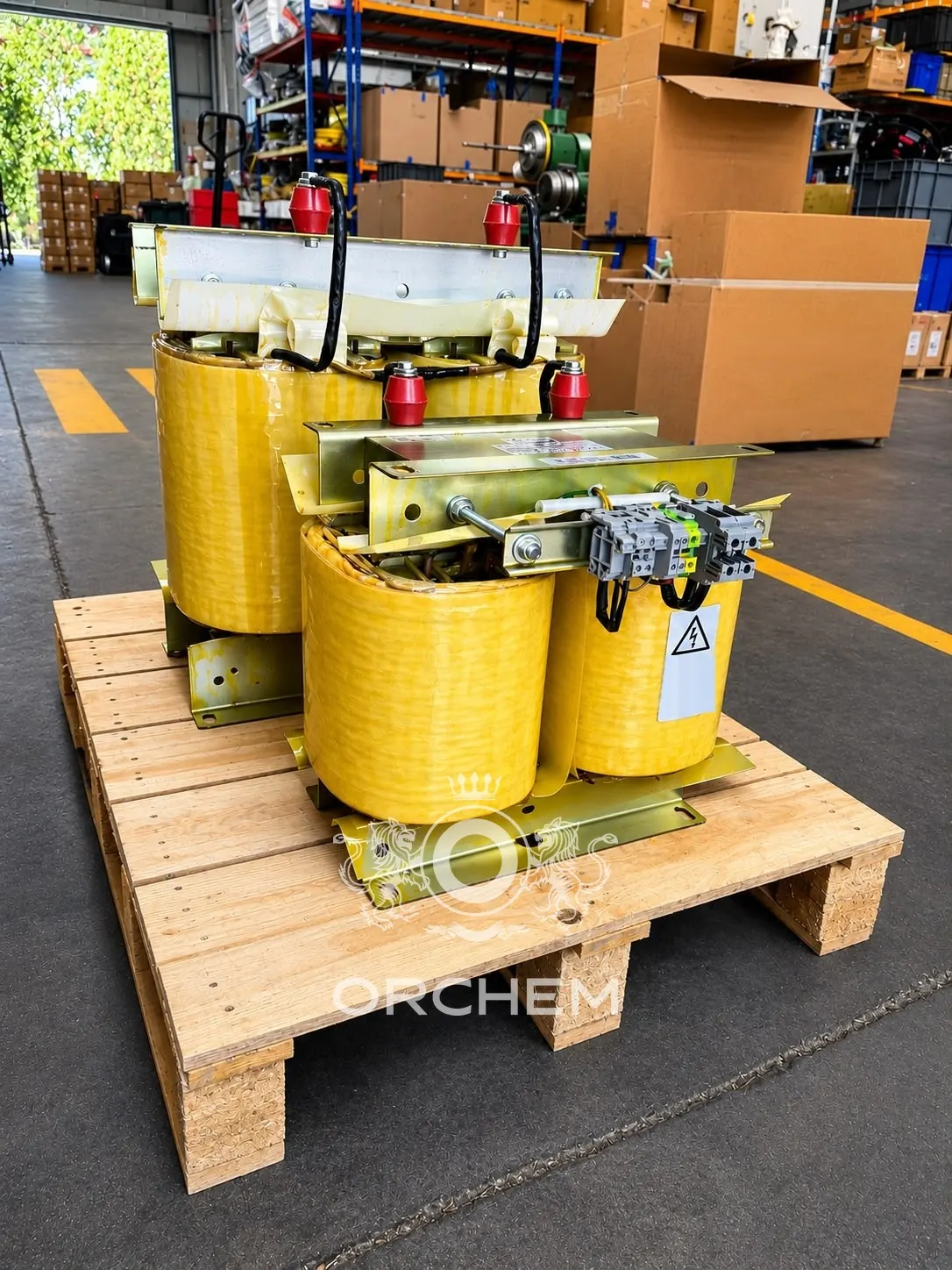
EPC-640 is a solvent-free, two-component, filled casting resin for the impregnation and casting of low- and medium-voltage (LV/MV) transformer windings, coils and similar electrical components. It contains a halogen-free flame-retardant system. It is processed as a classic two-component system; no separate accelerator has to be dosed on site.
Where is it used?
- Casting and encapsulation of LV/MV transformer windings,
- Coil and winding impregnation,
- Encapsulation of high-voltage components,
- Electrical and electronic casting where flame retardancy is wanted.
Why a filled, flame-retardant casting resin for transformers?
The mix viscosity is below 800 mPa·s at 60 °C and the grind is below 60 µm, so the resin penetrates tightly wound windings evenly. A filler content of 60–63 % by weight gives the cured mass a hardness above 85 Shore D and a density of 1.80–1.90 g/cm³. Flame retardancy comes from a halogen-free filler system. Pull-off adhesion is above 3 MPa.
The cured material shows good resistance to the moisture, oil and dilute chemicals met in electrical insulation. Continuous exposure to strong acids and bases or polar solvents must be tested by the user.
Application steps
- Homogenise part A before use.
- Preheat part A to 40–60 °C to improve flow and penetration. Windings and moulds must be clean, dry and free of moisture.
- Add 18 parts B to 100 parts A by weight and mix quickly. For volumetric dosing, calibrate the ratio by density. Working time starts after mixing.
- Apply by casting or impregnation. Where the geometry allows, vacuum impregnation is recommended to avoid air voids.
- Gel at 80–90 °C, then post-cure at 120–140 °C for full crosslinking.
- Cool thick parts gradually.
For more on vacuum impregnation, see our guide What is VPI?
Storage and safety
Part A keeps for 12 months at 10–30 °C in a cool, dry, closed place. Part B keeps for 3 months in a cool, dark place, tightly closed. Protect both parts from moisture, sunlight and heat, and close the lids after use. A and B are supplied in separate containers matching the 100:18 ratio; pack sizes on request.
The product may irritate the skin and airways. Avoid skin contact and breathing vapour; wear gloves and goggles and ventilate the area. Read the safety data sheets (SDS) of both components before use.
For a room-temperature-curing alternative, see EPC-620 flame-retardant epoxy casting resin; for other systems, see casting resins. For varnish options in winding impregnation, see transformer varnish.
Questions
Does EPC-640 need an oven?
Yes. EPC-640 does not cure at room temperature. It is first gelled at 80–90 °C and then post-cured at 120–140 °C for full crosslinking. Thick parts should be cooled gradually.
What is the mix ratio?
18 parts B to 100 parts A by weight. For example, 1.8 kg of part B to 10 kg of part A. For volumetric dosing, calibrate the ratio by the densities of the components.
Why is part A preheated?
Heating part A to 40–60 °C lowers its viscosity, so the resin flows better and penetrates tightly wound windings more easily. Homogenise part A before use.
Is vacuum impregnation necessary?
It is recommended where the geometry allows. Vacuum impregnation prevents air voids inside the winding. Windings and moulds must be clean, dry and free of moisture.
What are the thermal class, dielectric strength and pot life?
These values are given on request in the detailed technical data sheet. Contact us for information suited to your application.
What are the shelf life and storage conditions?
Part A keeps for 12 months at 10–30 °C in a cool, dry, closed place; part B for 3 months in a cool, dark place, tightly closed. Protect both from moisture, sunlight and heat.