Pole and Insulation Paints
One-component, water-repellent, UV-resistant insulating paint for pole terminals and connections.
Technical information
| Product type | One-component electrical insulating paint |
|---|---|
| Use | Transformer pole terminals, connection points, electrical equipment |
| Film | Hard, water-repellent (hydrophobic) |
| Resistance | UV, tracking, transformer oil, oxidation, impact and scratching |
| Environment | Indoor and outdoor |
| Drying | Dries quickly at room temperature; time in the product TDS |
| Colour | Can be produced in the shade you need |
| Application | Brush or spray; thinning ratio in the product TDS |
Drying time, viscosity and pack sizes are given in the product TDS.
What is pole and insulation paint?
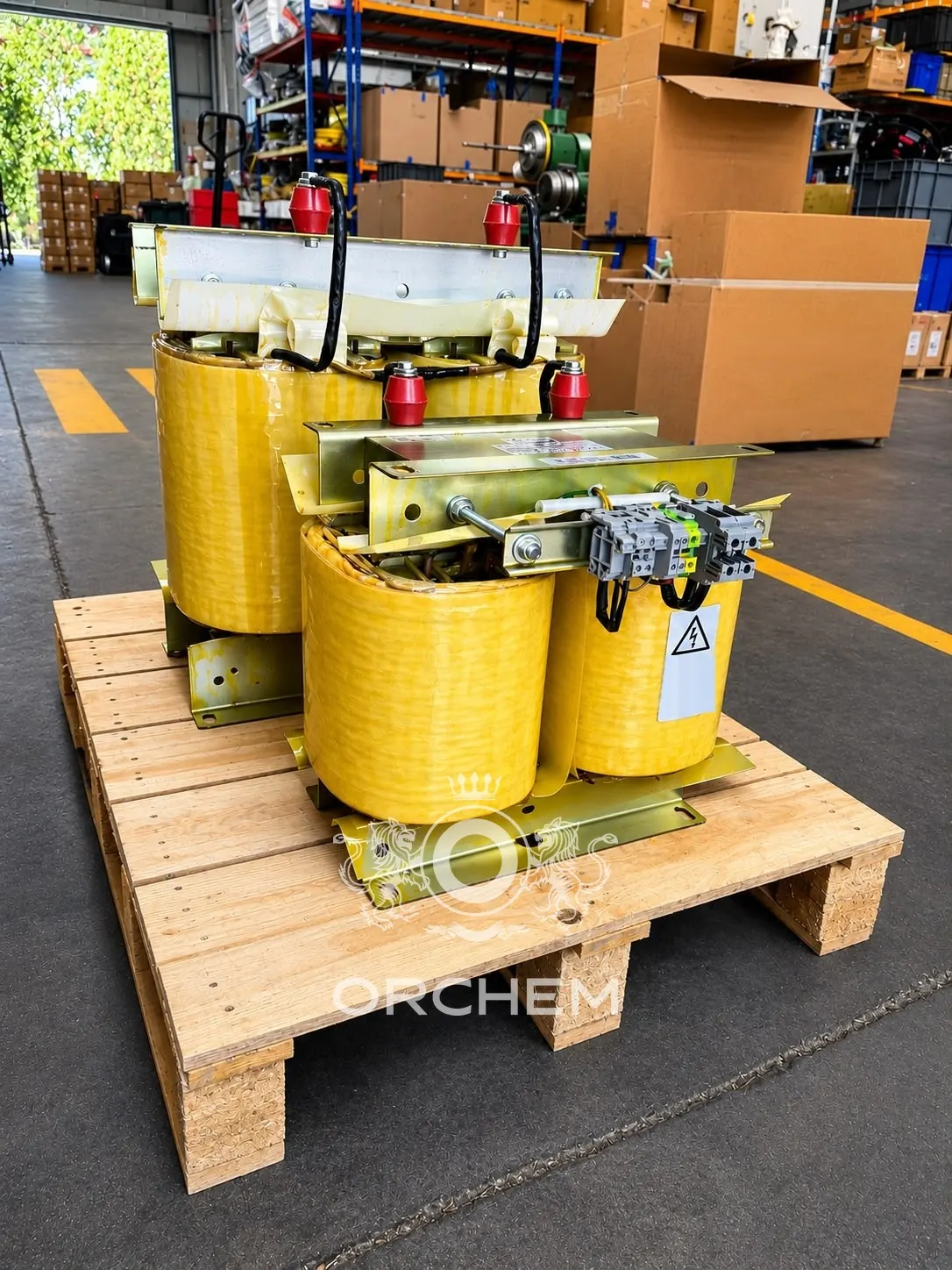
Pole and insulation paint is a one-component electrical insulating coating used to insulate transformer pole terminals, connection points and live surfaces of electrical equipment, and to protect them from external influences. Applied and dried correctly, it forms a hard film with high electrical strength.
The film is hydrophobic by nature, meaning it repels water. Because water and dirt find it hard to cling to the surface, it helps reduce leakage currents and pollution-related surface flashover. Orhun Kimya makes this paint to its own formulation and can supply it in the colour shade you need.
Why paint pole terminals?
On transformers and panels that run outdoors or in dusty rooms, a thin layer of dust, salt, moisture and oil vapour gradually builds up on pole terminals and connection points. When this layer gets wet it becomes conductive, and surface leakage, tracking and corrosion begin. Insulating paint covers the metal surface, repels water and slows this process down.
Where is it used?
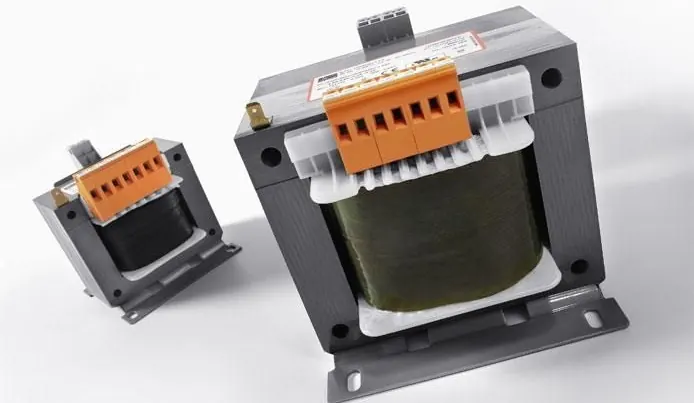
- Transformer pole terminals, bushing surroundings and terminal areas,
- Connection points, busbars and live metal surfaces in panels and cubicles,
- Parts of outdoor electrical equipment that need insulation,
- Places where phases or poles are to be identified by colour.
Properties
- One-component; no mixing of parts required.
- Provides high electrical strength.
- Water-repellent; helps reduce surface leakage in damp, dirty conditions.
- Resistant to UV radiation and tracking; suitable for outdoor use and harsh weather.
- Resistant to transformer oil and oxidation.
- Resists impact and scratching; withstands high temperatures.
- Dries quickly at room temperature; the coated part needs no routine maintenance such as washing or greasing.
- Can be produced in different colour shades.
How is it applied?
- De-energise the equipment and earth it according to safety rules.
- Clean the surface: no dust, dirt, transformer oil contamination or loose oxide should remain. Wipe oily surfaces with a suitable solvent.
- Make sure the surface is completely dry.
- Stir the paint thoroughly before use.
- Apply by brush or spray in thin, even coats. If thinning is needed, choose the right thinner from our thinner range and the TDS.
- If a second coat is needed, let the first coat dry.
- Before energising, let the film dry for the time stated in the TDS.
How to choose and what to watch for
First define what you are coating. This paint suits pole terminals and connection points. For the large outer surface of the transformer tank and housing, transformer exterior paints are the better choice; for a protective coat over windings, choose insulating top-coat lacquers and paints. If the winding needs impregnation, see our transformer varnish page.
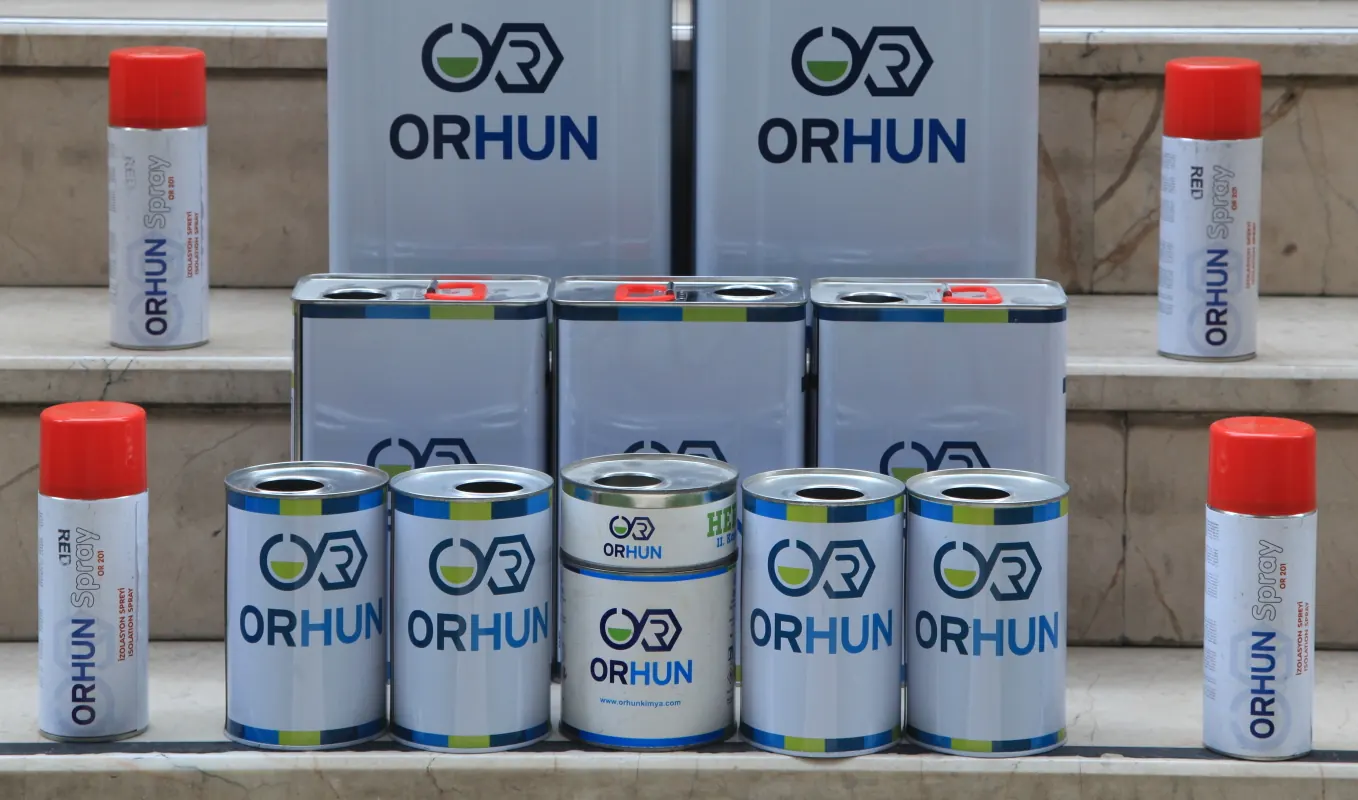
State your colour, whether the equipment runs indoors or outdoors, and the application method (brush or spray) when ordering. For quick work on small areas, see our spray products as well.
Common mistakes
- Painting an oily or damp surface: the film will not adhere and soon lifts.
- One thick coat: drying takes longer and the film may stay soft; work in thin coats.
- Energising before it is dry: voltage is applied before the insulating properties have fully formed.
- Painting over dirt: conductive dirt trapped underneath can create a leakage path. If you measure low values, see the guide why insulation resistance is low.
Request the TDS for technical values via the contact form or WhatsApp.
Questions
What is pole and insulation paint used for?
It insulates transformer pole terminals and connection points and, by repelling water and dirt, helps reduce leakage currents. Outdoors it protects against UV and weather.
How long does pole and insulation paint take to dry?
It dries quickly at room temperature; the exact time is in the product TDS, request it via the form or WhatsApp. Let it dry fully before energising.
Is it one-component or does it need a hardener?
It is one-component; no hardener is needed. Just stir it thoroughly before use.
Can it be used outdoors?
Yes. Being resistant to UV radiation, tracking and harsh weather, it can be used on outdoor equipment.
Can it be made in the colour I want?
Yes. Pole and insulation paints can be produced in different colour shades; state your colour when ordering.
Should this paint be applied to transformer windings?
For windings, insulating top-coat lacquers and paints or transformer varnish are more suitable. This paint is designed for pole terminals, connections and equipment surfaces.