
What is VPI? How is vacuum pressure impregnation done?
The VPI steps, how it differs from dipping and pouring, which varnish to use and common mistakes.
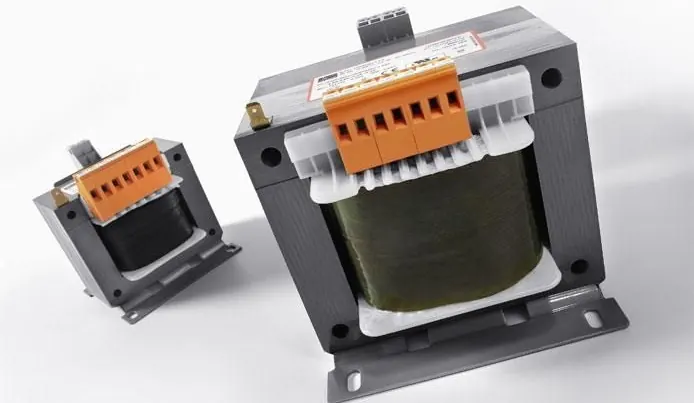
What does VPI mean?
VPI stands for vacuum pressure impregnation. The winding is placed in a sealed tank, first put under vacuum, then flooded with varnish, and then pressurised. The vacuum draws air and moisture out of the winding. The pressure then pushes the varnish into the smallest gaps between the wires, the coils and the slot insulation.
The goal is to leave no air voids in the winding. Air voids conduct heat poorly, hold moisture and, at high voltage, can be where partial discharge starts. With VPI these voids are largely filled with varnish. The winding becomes a solid, strong block that sheds heat better.
How is VPI done? The process step by step
- Preparation and cleaning: The winding is cleaned. No oil, dust or old varnish residue should remain.
- Preheating and drying: The part is heated in an oven to drive out moisture. It is then allowed to cool to a temperature suitable for the varnish.
- Vacuum: The part goes into the VPI tank, the tank is closed and vacuum is applied. Air and remaining moisture are drawn out of the winding.
- Varnish fill: While still under vacuum, varnish is let into the tank until it fully covers the winding.
- Pressure: The vacuum is released and the tank is pressurised with dry air or nitrogen. The varnish is pushed deep into the winding.
- Drain and drip: Pressure is released and the varnish goes back to the storage tank. The part is left to drip off excess varnish.
- Baking: The part is cured in an oven. If possible it is rotated while baking so the varnish does not run and collect on one side.
Vacuum level, hold times, pressure and oven conditions are not fixed. They depend on the size of the part, the winding type, the varnish and the plant's equipment. For the varnish side, check the product's TDS.
What VPI gives the winding
- Better heat transfer: A winding with filled voids passes heat to the core and frame more easily, so it runs cooler.
- Mechanical strength: Wires and coils bond together. The winding moves less under vibration and short-circuit forces.
- Resistance to moisture and dirt: Moisture and dust find it harder to enter a closed, filled structure.
- Repeatable quality: Because the process is controlled, each part gives a similar result.
These gains only come with correct practice. If drying, varnish upkeep or baking is neglected, VPI will not deliver what you expect.
VPI vs dipping vs pouring
| Feature | VPI | Dipping | Pouring |
|---|---|---|---|
| Penetration | Deepest; voids are largely filled | Good; improves with preheating and repeat dips | Limited; depends on the operator |
| Air voids | Fewest | Moderate | More |
| Equipment needed | Vacuum-pressure tank, storage tank, oven | Varnish tank, oven or drying area | Simple; container and drip setup |
| Best suited for | Transformers, large and high-voltage machines, series production | Small and medium motors, transformers | One-off repair and rewind jobs |
| Investment | High | Medium | Low |
| Varnish upkeep | Tank varnish viscosity and cleanliness must be checked regularly | Tank viscosity must be checked | Mixed fresh each time |
In short: VPI gives the best result but needs investment. Dipping is a good middle ground for most workshops. Pouring is practical for small jobs. We also cover application methods in our guide on which winding varnish to use.
Where is VPI used?
- Transformers: Especially dry-type transformers, where a void-free, solid winding matters.
- Large and high-voltage machines: In medium and high-voltage motors and generators, air voids carry a risk of partial discharge.
- Harsh duty: Machines running with high vibration, dust, moisture or heat load.
- Series production: Lines where the same part must be impregnated to the same quality every time.
Which varnish is used for VPI?
VPI usually uses baking varnishes. Varnish that sits in a tank for a long time must not dry on its own, and once inside the winding it must cure fully in the oven. Air-drying varnishes are not suitable for this job.
From the Orchem range, OR-305 baking transformer varnish is suitable for VPI. It is a class H (180 °C) varnish and can also be applied by dipping and spraying. For motor windings and VPI lines, OR-300 is also suitable: a one-component, solvent-based, class H (180 °C) baking varnish that can also be applied by dipping. Because it contains solvent, the solvent boils once the vacuum drops below about 10 mbar, causing foaming, voids and contamination of the vacuum-pump oil. Use a condenser trap and limit the vacuum accordingly. Without an oven, look at the air-drying transformer varnish OR-105. For general selection, read our transformer varnish page and the guide on air-drying or baking varnish.
Every plant has a different tank volume, part type and oven setup. Contact us about the right varnish and viscosity, and we will work it out together.
Common VPI mistakes
- Impregnating without drying: Moisture in the winding is sealed under the varnish and insulation resistance drops. We cover this in why insulation resistance is low after varnishing.
- Loading the part too hot: The varnish can thicken early where it touches the part, or its solvent can flash off quickly. Let the part cool to a suitable temperature.
- Too short a vacuum: If the air is not fully drawn out, the varnish cannot enter the voids.
- Thick or dirty tank varnish: Varnish thickens and picks up dirt over time. Check viscosity regularly, adjust with its own thinner and filter when needed. See our thinner range.
- Not enough drip time: Excess varnish runs in the oven and leaves drips and thick build-up.
- Under-baking: Varnish that is not fully cured stays tacky and does not give its full insulation. Start timing once the part itself reaches temperature.
- Damp pressurising air: The air used for pressure must be dry; otherwise it carries moisture back into the winding.


Questions
What is VPI?
VPI means vacuum pressure impregnation. The winding is put under vacuum in a sealed tank, flooded with varnish and pressurised, so the varnish reaches the smallest voids. The part is then cured in an oven.
What is the difference between VPI and dipping?
In dipping the part is lowered into an open varnish tank. In VPI the vacuum draws the air out and the pressure pushes the varnish in. So VPI penetrates deeper and leaves fewer air voids, but it needs more equipment.
Which varnish is used for VPI?
Baking varnishes are usually used. Orchem OR-305, a class H baking transformer varnish, and the class H baking motor varnish OR-300 are suitable for VPI. Air-drying varnishes are not suitable for VPI.
Which machines use VPI?
Mostly transformers, medium and high-voltage motors and generators, machines in harsh duty and series production lines.
What vacuum and pressure values should VPI use?
There is no fixed value. It depends on the part size, winding type, varnish and plant equipment. For the varnish side, check the product's TDS or ask us.
Should the winding be dried before VPI?
Yes. The winding should first be heated and dried in an oven, then cooled to a suitable temperature. If it is not dried, moisture is sealed under the varnish and insulation resistance drops.
Updated: