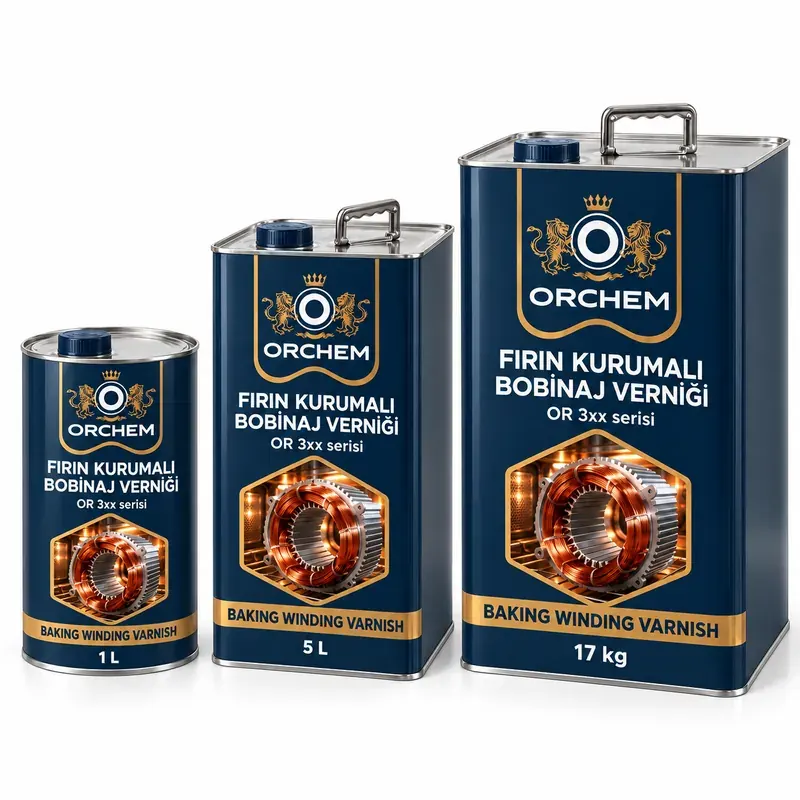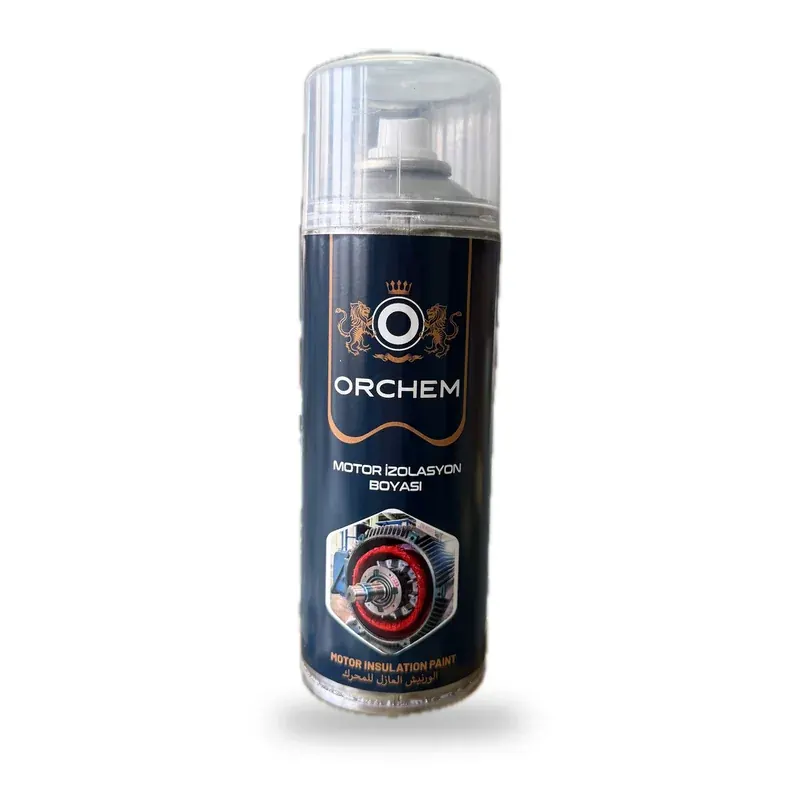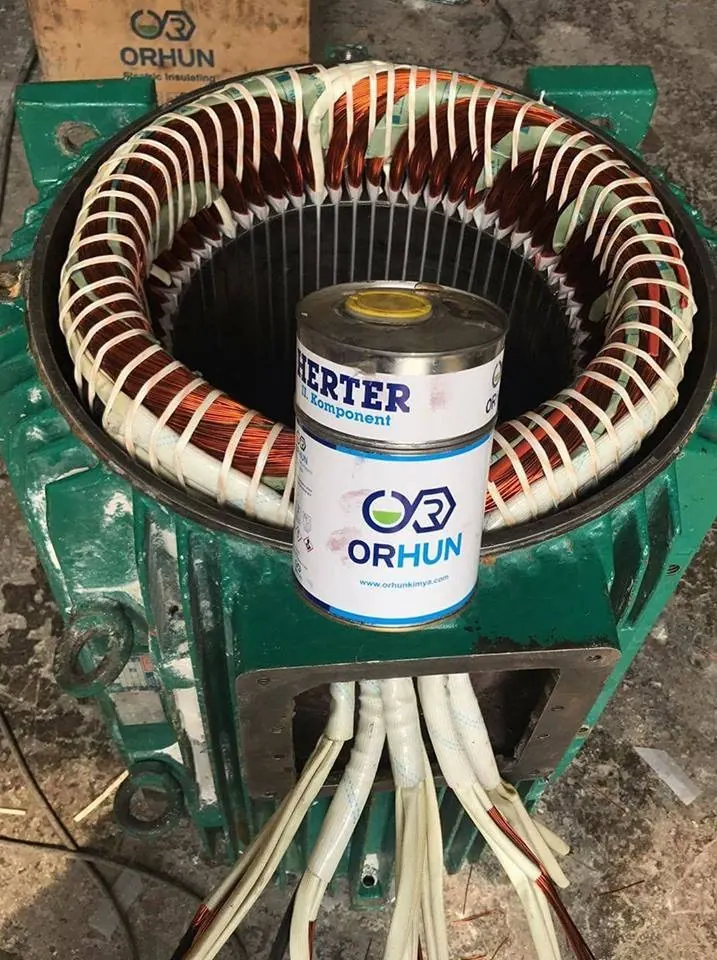
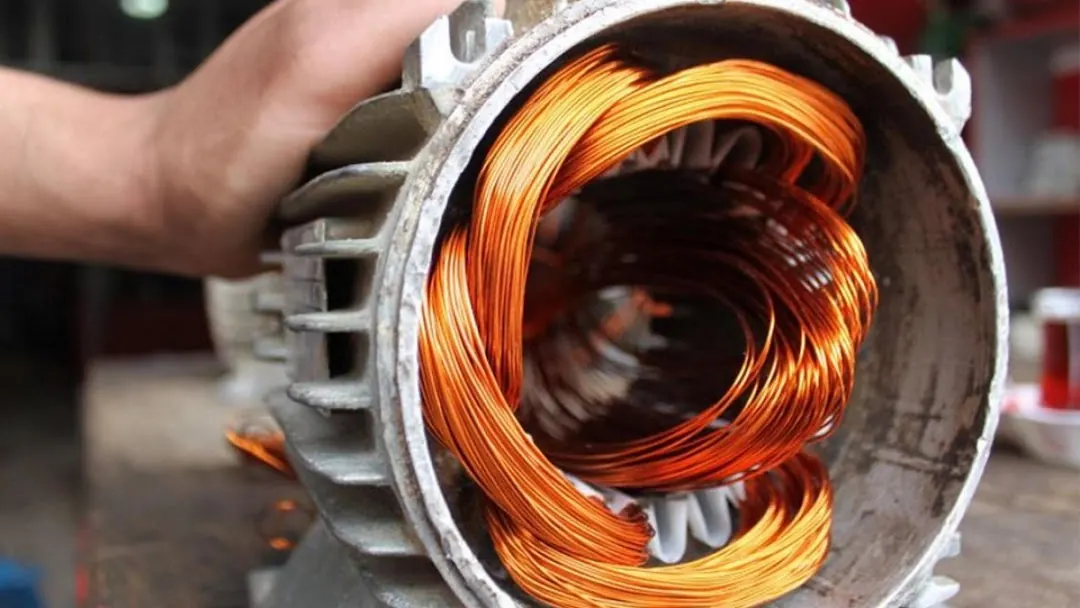
Air-Drying Winding Varnish (OR-100, OR-102)
OR 1xx series: phenolic OR-100 (B) and OR-102 (F). No oven needed; dries at ambient temperature.
Technical information
| Series | OR 1xx (OR-100, OR-102) |
|---|---|
| OR-100 | Phenolic, class B (130 °C) |
| OR-102 | Phenolic, class F (155 °C); fast-drying |
| Drying | At ambient temperature, no oven needed |
| Drying time | In the product TDS |
| Thinner | T-100 |
| Typical thinning ratio | 3 varnish : 1 thinner |
| Application | Dipping or brushing |
| Best suited for | Motor repair, on-site work, small-series production |
Drying time, viscosity and pack sizes are given in the product TDS.
Air-drying varnishes
| Product | Base | Thermal class | Properties and use |
|---|---|---|---|
| OR-100 | Phenolic | B · 130 °C | Impregnation of electric motors in small-batch production |
| OR-102 | Phenolic | F · 155 °C | Fast-drying insulating varnish for rewind shops |
| OR-105 | High solids | F · 155 °C | Transformer insulating varnish; applied by spray gun or dipping, thinned with T-100 |
| OR-114 (2 BK 1024) | 2K polyurethane | H · 180 °C | Room-temperature curing motor insulating varnish; high chemical resistance, resistant to Freon and similar refrigerant gases |
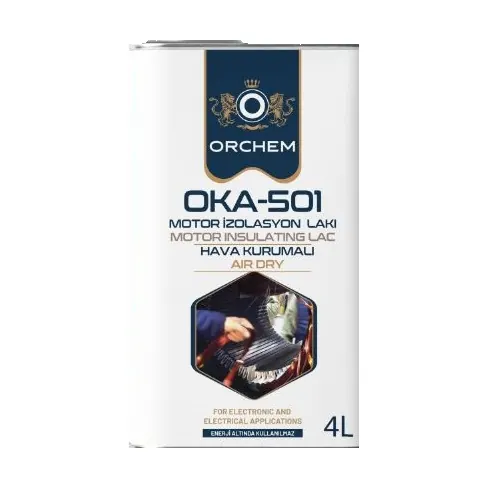
| OKA-501 | See TDS | F · 155 °C | Very fast-drying insulating varnish, ideal for rewind shops. Thinned with T-501, 4 L tin |
Air-drying winding varnish is an electrical insulating varnish that dries at ambient temperature after it is applied to a motor winding, without an oven. Orhun Kimya makes this group as the OR 1xx series: OR-100 is a phenolic class B (130 °C) varnish and OR-102 a phenolic class F (155 °C) varnish. Both are thinned with T-100 thinner and applied by dipping or brushing.
The varnish penetrates between the wires, bonds them to each other and to the slot insulation, and protects the winding against moisture, dust and vibration. Enamelled wire alone does not create this bond, which is why varnish is applied after winding.
Where is it used?
- Rewinding single motors in motor repair shops,
- Large stators and windings that do not fit in an oven,
- On-site repairs without removing the motor,
- Impregnation in small-series electric motor production (OR-100),
- Rewind shop jobs that need a fast turnaround (OR-102).
Products in the series
- OR-100: Phenolic, class B (130 °C). For impregnating electric motors produced in small series.
- OR-102: Phenolic, class F (155 °C). Fast-drying insulating varnish for rewind shops.
The other air-drying products in the same table have their own pages: the two-component class H OR-114, the very fast-drying class F OKA-501 motor insulating lacquer and, for transformers, the air-drying transformer varnish OR-105.
Properties
- No oven needed; dries at ambient temperature.
- Penetrates deep between the wires and adheres well.
- Forms a film resistant to moisture, heat, acids and alkalis.
- Leaves a glossy, hard and stable surface.
- Strengthens the electrical insulation of the winding.
How is it applied?
- Clean the winding of dust, oil and old varnish residue.
- Dry old or damp motors by heating them first; never varnish a damp winding. See the winding drying guide.
- Thin the varnish with T-100, typically 3 parts varnish to 1 part thinner.
- Dip the stator or work the varnish well between the wires with a brush.
- Let the excess drain off; leave no build-up at slot openings or at the bottom.
- Leave it to dry in a warm, dry, ventilated place for the time stated in the TDS. Do not run the motor before it is fully dry.
How to choose
Choose by the thermal class of the motor first: OR-100 is enough for a class B motor; choose OR-102 for class F motors. A higher-class varnish can be used on a lower-class winding, not the other way round. For a class H winding without an oven, look at OR-114. For series winding, or if the motor will run under vibration and heavy duty, the baking varnish OR 3xx gives higher bond strength. For motors working in humid conditions, an insulating topcoat lacquer can be applied once the varnish is fully dry.
Common mistakes
- Wrong thinner: Adding another thinner such as T-300 to an air-drying varnish spoils drying. See thinner types for which thinner goes with which varnish.
- Too much thinner: The film becomes thin and too little varnish stays in the winding; insulation and bond strength drop.
- Mixing types: Air-drying and baking varnishes are never combined in the same can or dip tank.
- Cold, damp workshop: Drying takes longer and the surface may stay tacky. Causes are explained in why varnish does not dry.
- Thick coat: Accumulated varnish dries slowly inside; always drain the excess.
Values such as drying time, viscosity and solids content are in the product TDS; request it via the form or WhatsApp.
Questions
What is air-drying winding varnish?
It is an insulating varnish that dries at ambient temperature after being applied to a motor winding, without an oven. Orhun Kimya makes it as OR-100 (class B, 130 °C) and OR-102 (class F, 155 °C).
How many hours does air-drying winding varnish take to dry?
Drying time depends on ambient temperature, humidity and coat thickness; the exact time is in the product TDS, which you can request via the form or WhatsApp. A warm, dry, ventilated room speeds up drying.
Which thinner is used?
OR 1xx air-drying varnishes are thinned with T-100, typically 3 parts varnish to 1 part thinner. Do not use any other thinner.
What is the difference between OR-100 and OR-102?
Both are phenolic. OR-100 is class B (130 °C) and suits small-series motor production; OR-102 is class F (155 °C), dries fast and is preferred by rewind shops.
Is it as durable as a baking varnish?
It gives sufficient durability for general-purpose motors. The highest bond strength, heat and moisture resistance and resistance to hot transformer oil come from the OR 3xx baking varnishes.
Can it be used on transformer windings?
For transformer windings we make the separate OR-105 air-drying transformer varnish, applied by spray gun or dipping and thinned with T-100. Prefer it for transformer work.