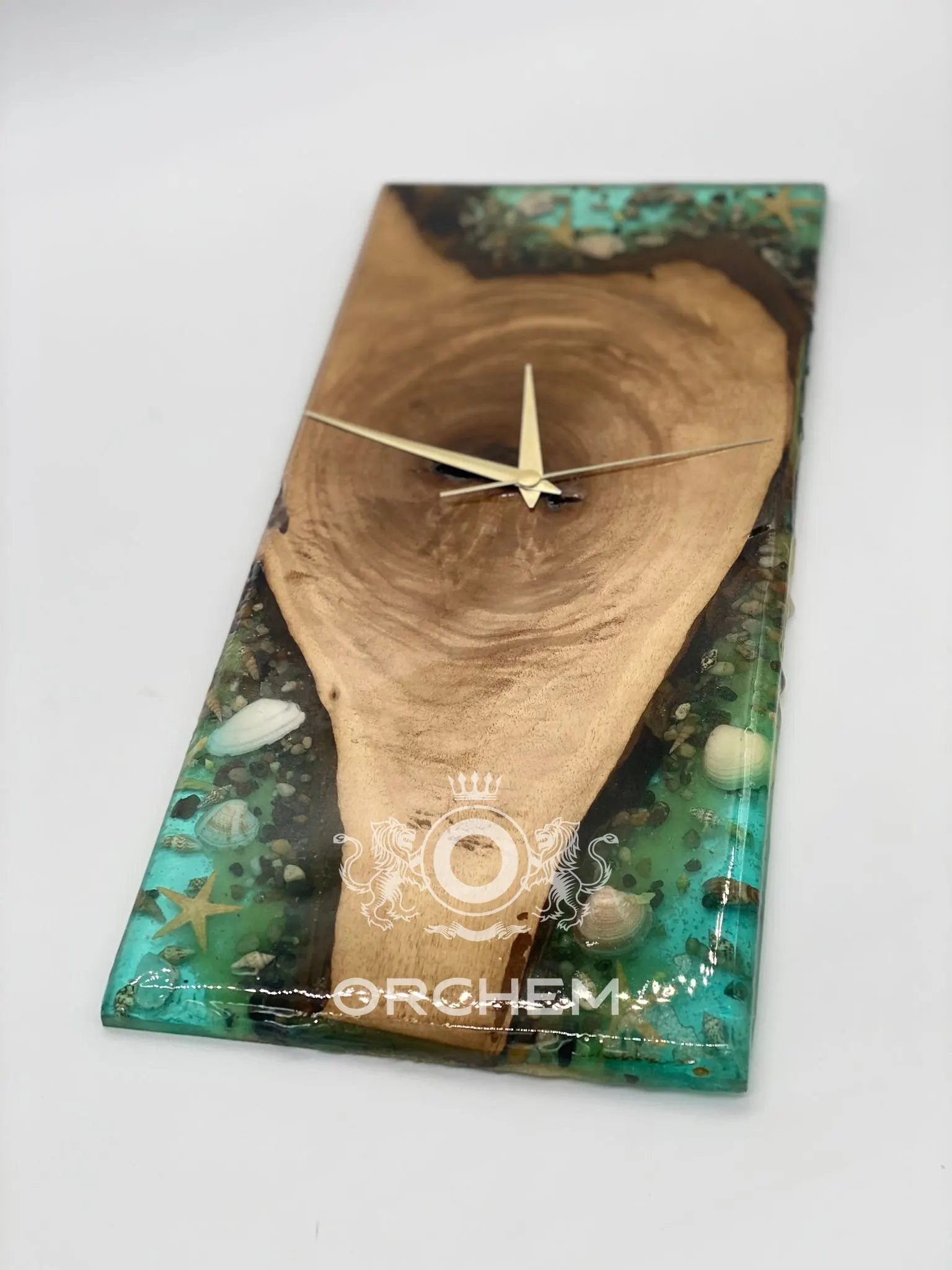
Clear casting epoxy for souvenirs and crafts
Low-odour, solvent-free clear epoxy for jewellery, keychains and small mould castings.
Technical information
| Type | Two-component, solvent-free clear casting epoxy |
|---|---|
| Odour | Low odour |
| Appearance | Clear, glossy; can be pigmented |
| Mixing ratio | On the pack and in the product TDS; weigh on a precise scale |
| Cure time | In the product TDS (depends on temperature and thickness) |
| Recommended conditions | 20–25 °C, dust-free, ventilated |
| Moulds | Silicone moulds |
| Applications | Jewellery, keychains, magnets, coasters, figurines, embedding |
Drying time, viscosity and pack sizes are given in the product TDS.
Souvenir epoxy is a low-odour, solvent-free, two-component epoxy resin that cures clear and is used to cast jewellery, keychains, magnets, coasters and small decorative items in moulds. It is easy to use; it can be used clear or coloured with pigments to make it translucent or opaque.
Where is it used?
- Jewellery, pendants, earrings and rings,
- Keychains, magnets and badges,
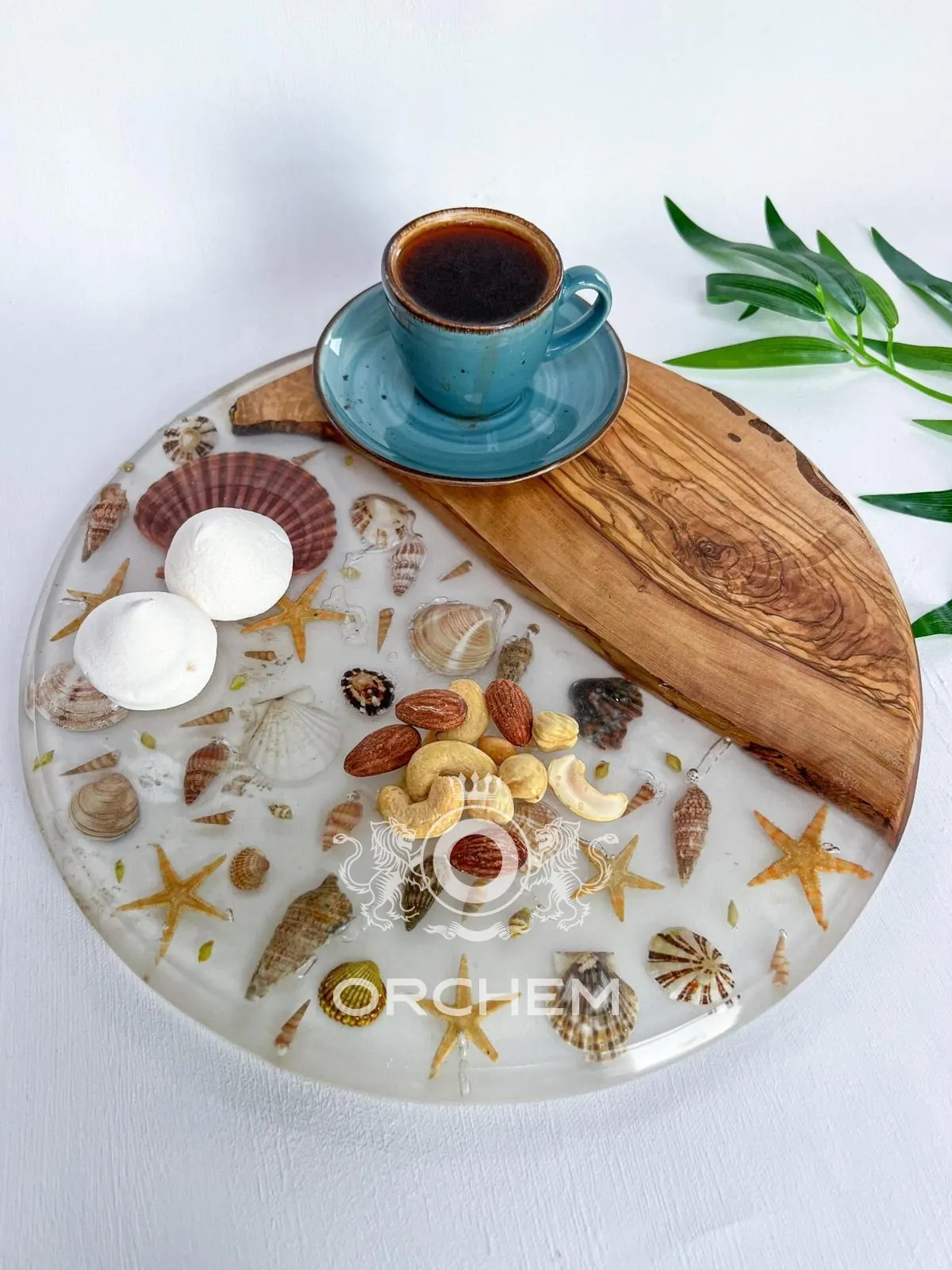
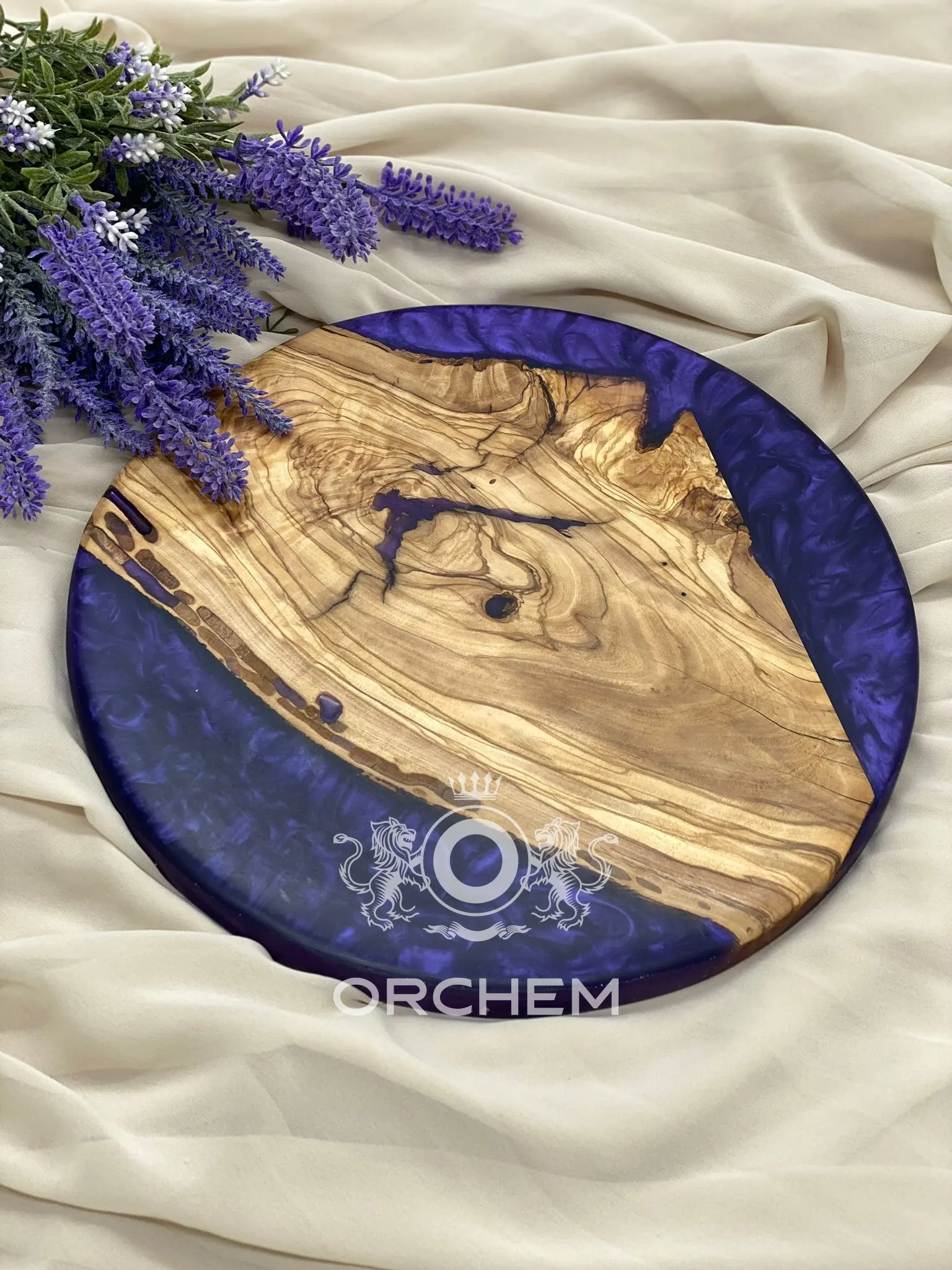
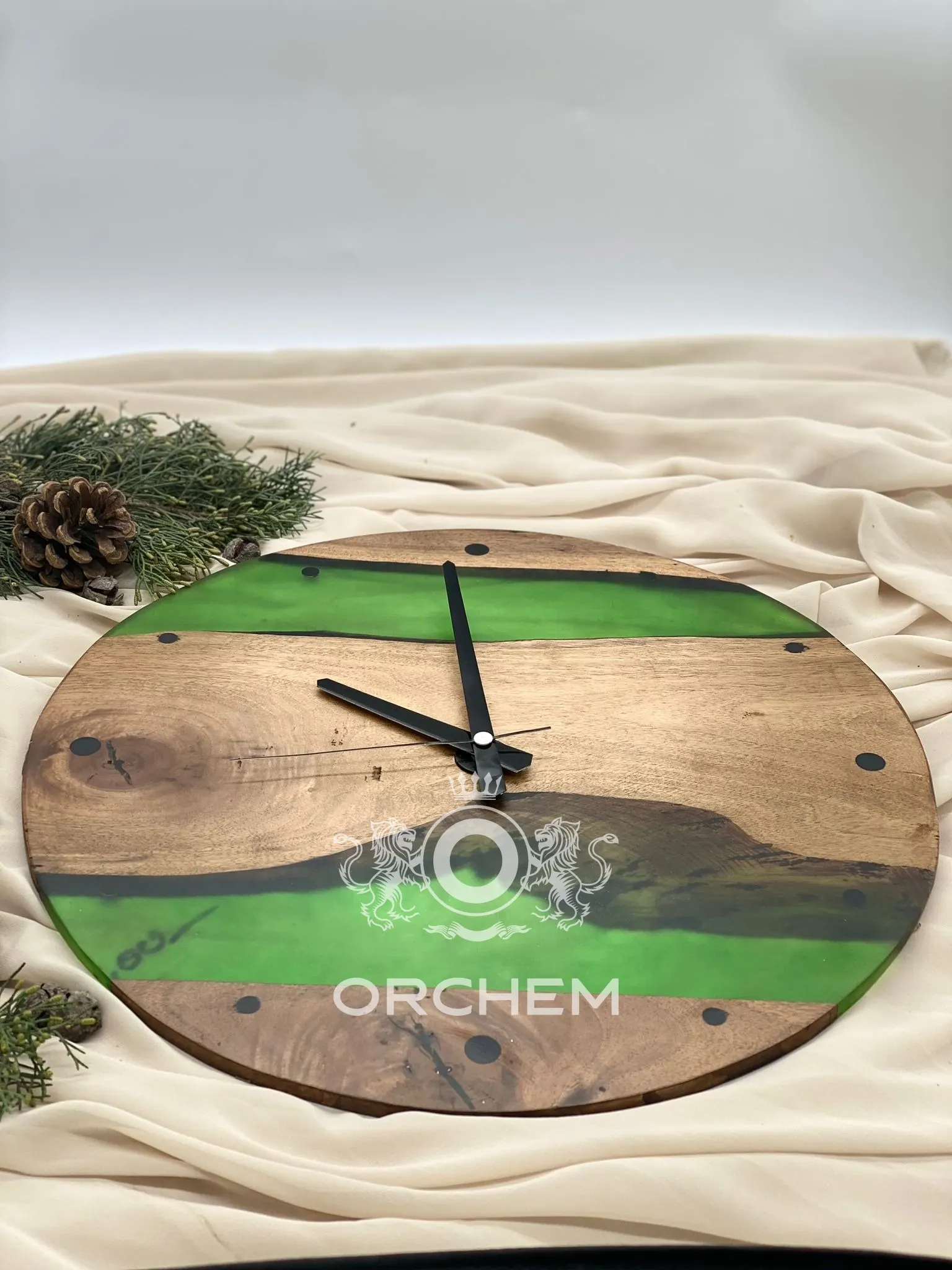
- Coasters, small trays, wall clocks and decorative objects,
- Figurines and drawer knobs,
- Embedding dried flowers, photos or stones and coating small surfaces.
Properties
- Clear and glossy: embedded objects stay clearly visible.
- Low odour, solvent-free: better suited to workshops and homes; ventilation is still needed.
- Easy to use: weighed and mixed in small amounts, pours easily into moulds.
- Colourable: powder or liquid pigments, glitter and mica give any colour or effect.
- Low shrinkage: epoxy shrinks very little as it cures and picks up mould detail well.
How to use epoxy resin
- Prepare the mould: place a clean, dry, dust-free silicone mould on a level surface.
- Set the temperature: resin, hardener and room at around 20–25 °C; cold material cures cloudy and slowly.
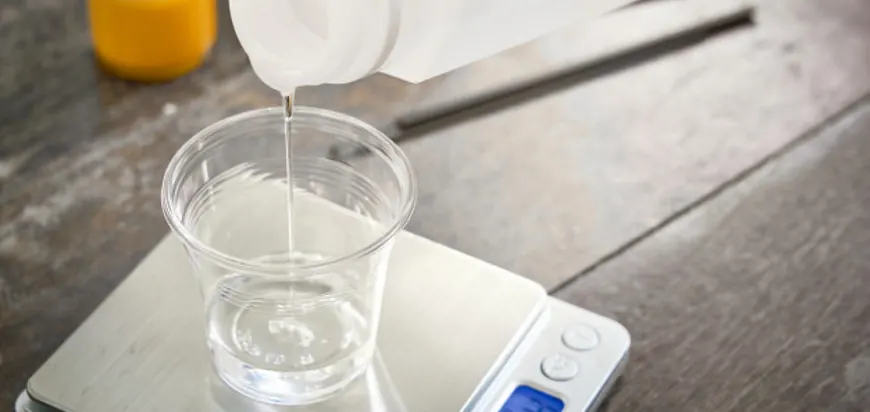
- Weigh: weigh both parts at the ratio on the pack on a precise scale. In small batches even small errors spoil the cure.
- Mix: stir slowly for 2–3 minutes, scraping bottom and sides, without whipping in air. Add pigment at this stage.
- Pour: pour in a thin stream from one corner of the mould. To embed an object, pour a thin layer first, place the object, then cover it.
- Remove bubbles: pop surface bubbles with a heat gun from a distance in short passes.
- Wait: keep dust off and do not demould before the cure is complete.
How long does epoxy take to cure?
Cure time depends on room temperature and the thickness of the piece; the exact time is in the product TDS. Curing takes longer in the cold. Very small, thin pieces generate little heat, so demoulding can also take longer. The piece keeps hardening for a while after demoulding.
Epoxy or polyester?
Two resins are common in craft casting. Epoxy has low odour, shrinks very little, bonds well to objects and stays clear for a long time; it suits jewellery and fine work. Liquid polyester cures quickly with a catalyst and is practical for repeat mould casting, but it has a strong styrene smell and shrinks more as it cures. See souvenir polyester for details.
Common mistakes
- Mixing by eye: pieces stay tacky or soft.
- Insufficient mixing: sticky spots in the piece.
- Embedding damp objects: flowers must be fully dried; paper and photos should first be sealed with a thin coat of epoxy.
- Too much pigment: can spoil the cure; start small.
- Working in the cold: cloudiness and longer cure.
Safety
Wear nitrile gloves and safety glasses, ventilate the room and avoid skin contact with the mix. Wear a dust mask when sanding cured pieces.
For large surfaces and river tables see clear table-top epoxy; for all options see epoxy resin and resins. For industrial casting work see casting resins. To choose a product and get the TDS, write to us via the form or WhatsApp.
Questions
What is souvenir epoxy used for?
It is used to cast jewellery, keychains, magnets, coasters and small decorative items in moulds, to embed objects and to give small surfaces a glossy coat.
How long does epoxy take to cure?
Cure time depends on temperature and thickness; the exact time is in the product TDS, which you can request via the form or WhatsApp. It takes longer in the cold and in very thin pieces; do not demould before the cure is complete.
Why does epoxy stay sticky?
The most common causes are a wrong mixing ratio, insufficient mixing and a cold room. Weigh both parts on a scale, mix while scraping bottom and sides, and work at 20–25 °C.
Can I add colour and glitter to epoxy?
Yes. Epoxy-compatible powder or liquid pigments, glitter and mica can be used. Start with a small amount; too much pigment can spoil the cure.
What is the difference between polyester resin and epoxy?
Epoxy has low odour, shrinks little and bonds well to objects; it is preferred for jewellery and fine work. Polyester cures quickly with a catalyst, has a strong styrene smell and shrinks more; it is practical for repeat mould casting.
Can dried flowers or photos be embedded in epoxy?
Yes. Flowers must be fully dried; paper and photos should first be sealed with a thin coat of epoxy, otherwise they soak up resin and stain.
What precautions should I take with epoxy?
Wear nitrile gloves and glasses, ventilate the room and avoid skin contact with the mix. Wear a dust mask when sanding cured pieces.