Polyester Resin for Souvenirs and Gift Items
Fast-curing, economical liquid polyester resin for casting keychains, jewellery and figurines.
Technical information
| Base | Unsaturated polyester resin (liquid) |
|---|---|
| Use | Mould casting of keychains, jewellery, figurines and gift items |
| Hardening | At room temperature with catalyst and accelerator |
| Catalyst ratio | In the product TDS |
| Gel time | In the product TDS |
| Colouring | With powder and liquid pigments |
| Finishing | Can be sanded and polished |
| Mould | Suitable for silicone moulds |
Drying time, viscosity and pack sizes are given in the product TDS.
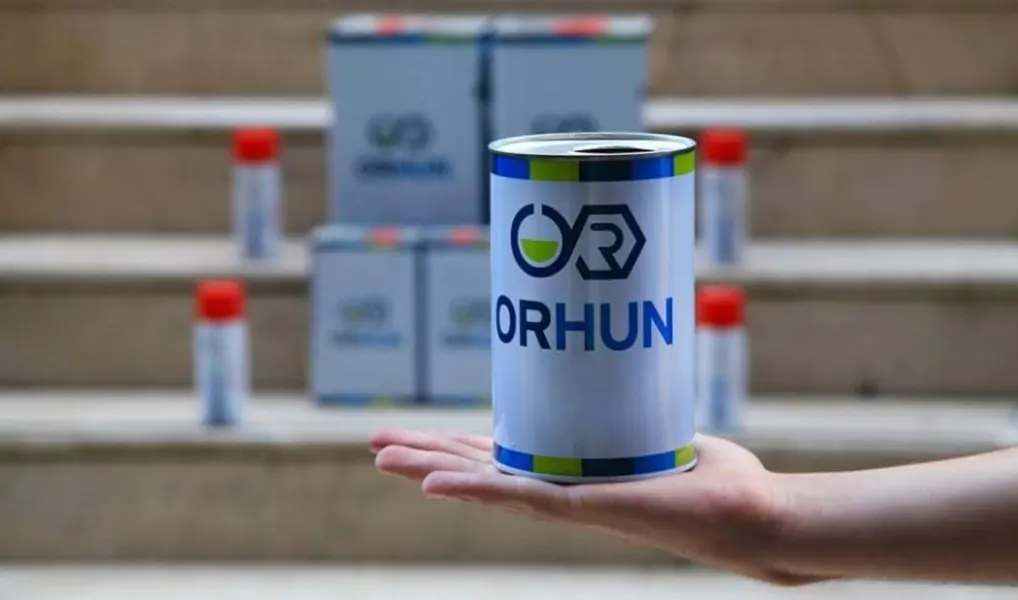
Souvenir polyester is a liquid unsaturated polyester resin used to cast keychains, jewellery, figurines and small decorative objects in moulds. Mixed with a catalyst (hardener) and accelerator, it gels and hardens at room temperature; the demoulded part can be sanded and polished. Orhun Kimya produces this resin specifically for hobby and gift-item casting.
Polyester grades for industrial work and hobby casting polyester are not the same. For souvenir casting, choose a liquid polyester formulated for casting; general-purpose polyester resin products are designed for other jobs.
Where is it used?
- Small jewellery casts such as keychains, pendants and earrings,
- Ornaments, figurines, small sculptures and keepsakes,
- Decorative pieces with embedded dried flowers, leaves or small objects,
- Gift items cast repeatedly in silicone moulds,
- Mould casting in workshops and craft classes.
Properties
- Fast hardening: gels quickly at room temperature with catalyst and accelerator, so moulds turn around fast.
- Economical: a more economical choice than epoxy for small and medium casts.
- Workable surface: the hardened part can be sanded, polished and drilled.
- Colourable: resin-compatible powder and liquid pigments give transparent, translucent or opaque colours.
How is it applied?
- Prepare a clean, dry, dust-free mould; use a suitable release agent on moulds other than silicone.
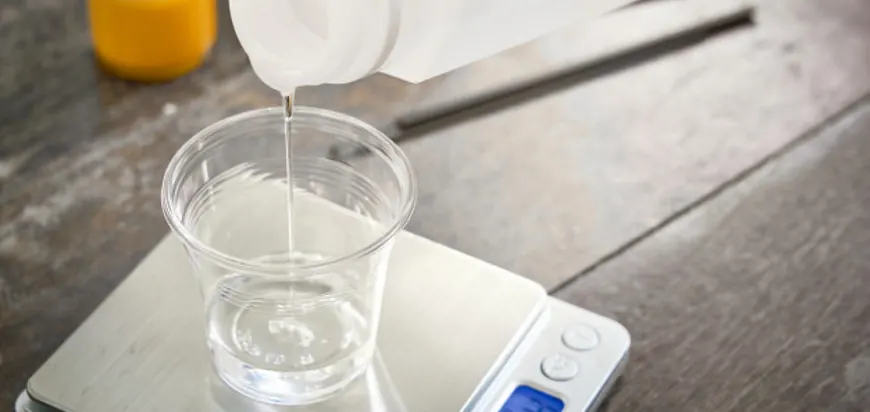
- Weigh only the resin needed for this cast into a clean container.
- If colouring, add the pigment first and mix until uniform.
- Add the catalyst at the ratio stated in the product TDS, measured accurately; stir slowly, scraping the bottom and sides.
- Pour into the mould in a thin stream; remove surface bubbles before gelling starts.
- Do not move the part until it has hardened, and do not demould it before full cure.
- Sand the edges and polish the surface if needed.
How to choose and what to watch
Polyester and epoxy differ in how they cure and in the result. Polyester is fast and economical, but it shrinks slightly as it hardens and has a distinct odour. Where clarity, low odour and fine detail matter, souvenir epoxy may suit better. For large, thick pours such as tables, clear table-top epoxy is preferred. See the epoxy resin page for epoxy systems in general and the resins page for all options.
Polyester releases heat while it hardens. In a thick cast this heat builds up and the part can crack, discolour or pull away from the mould. Cast thick parts in layers, pouring each one after the previous layer has gelled. Wear gloves and goggles and ventilate the room well.
If you embed flowers, leaves or paper, they must be completely dry; moisture causes bubbles and haze. Sealing porous objects with a thin coat of resin before the main pour reduces air bubbles. Store the container in a cool, shaded place with the lid tightly closed.
Common mistakes
- Adding catalyst by eye: too little delays hardening and leaves a tacky surface; too much causes overheating and cracks.
- Pouring a thick cast in one go: heat builds up and the part cracks.
- Working in a cold room: the reaction slows down and curing takes longer.
- Using a damp or dirty mould: causes dull spots and bubbles on the surface.
- Adding too much pigment: it can affect curing; start with a small amount.
For the technical data sheet (TDS) and catalyst ratio of souvenir polyester, write to us via the form or WhatsApp.
Questions
What is souvenir polyester used for?
It is used to cast keychains, jewellery, figurines and small decorative objects in moulds. Mixed with catalyst, it hardens at room temperature and takes the shape of the mould.
How long does polyester resin take to harden?
It depends on the catalyst ratio, room temperature and cast thickness. The product's gel and hardening times are in its TDS; request it via the form or WhatsApp.
Is polyester or epoxy better?
It depends on the job. Polyester is fast and economical; epoxy is clearer, has less odour and shrinks less. Where clarity matters, souvenir epoxy is preferred.
How much catalyst should be added?
The catalyst ratio is given in the product TDS; measure it with a scale or an accurate measure. Too little leaves the surface tacky, too much causes cracking.
Why does polyester resin crack?
Usually because the cast is too thick in one pour or too much catalyst was added. The curing heat builds up; cast thick parts in layers.
Can polyester resin be coloured?
Yes. Resin-compatible powder and liquid pigments give transparent or opaque colours. Add the pigment before the catalyst and mix well.
Which moulds can it be used with?
It works well with silicone moulds. On plastic or rigid moulds, apply a suitable release agent and make sure the mould is clean and dry.